

Categorie: Uncategorized

  • Werle tricks Sengupta

    Werle tricks Sengupta

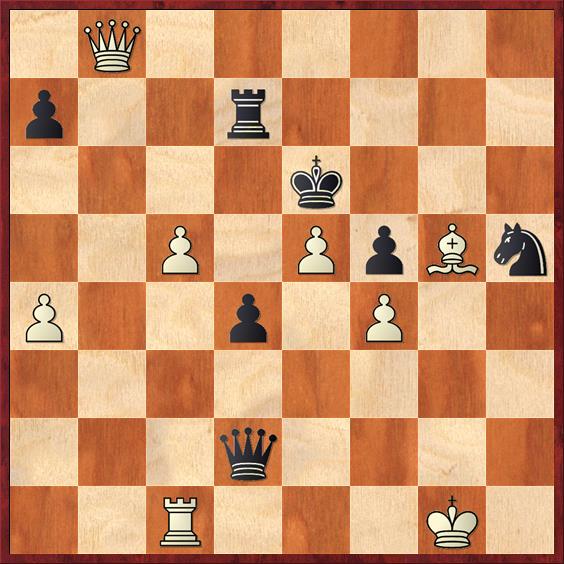
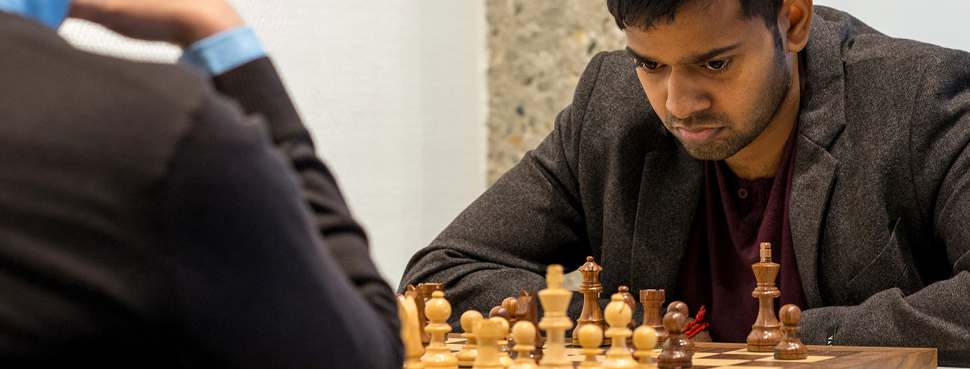
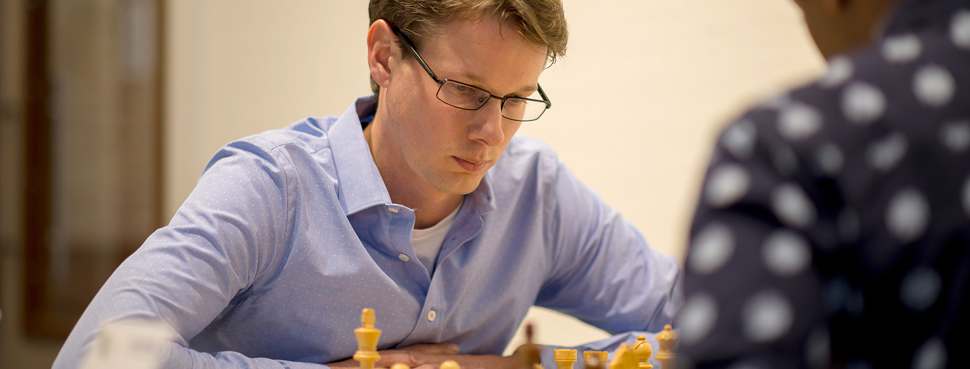
    Who could stop Deep Sengupta? That seemed like a legitimate question when after 20 or so moves we took a look at the position at the top board of the Open tournament. But Jan Werle had polished this tactical skills for this tournament, and he immediately grabbed the first small chance he was offered. And so the Indian grandmaster proved to be fallible after all, and Werle took the lead. No less than nine players are trailing him by half a point.
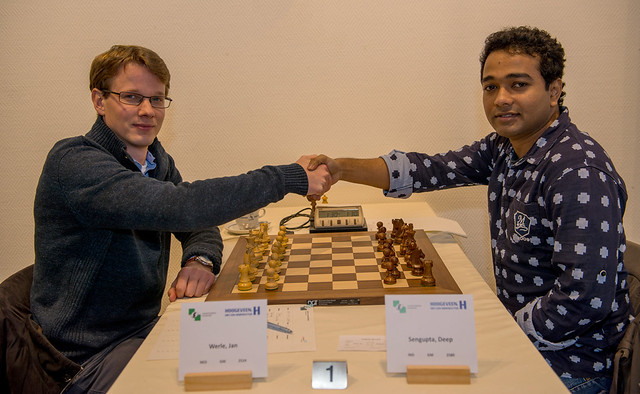
    D8C_0832
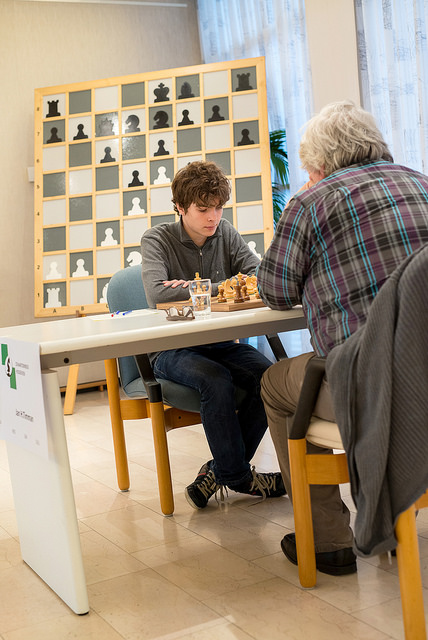
    Photo: Frans Peeters

    Werle – Sengupta
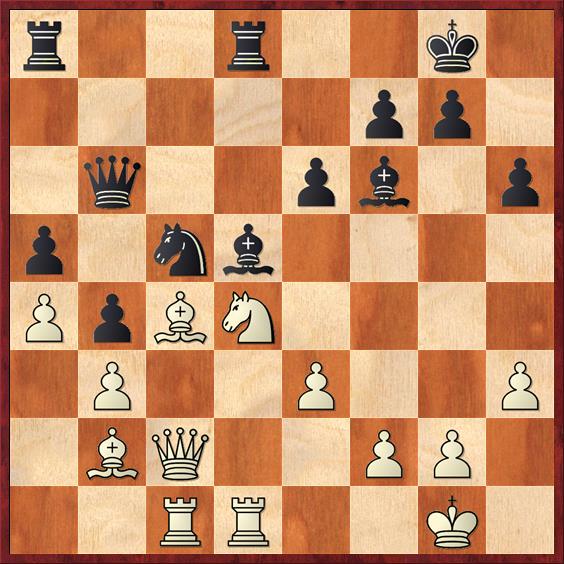


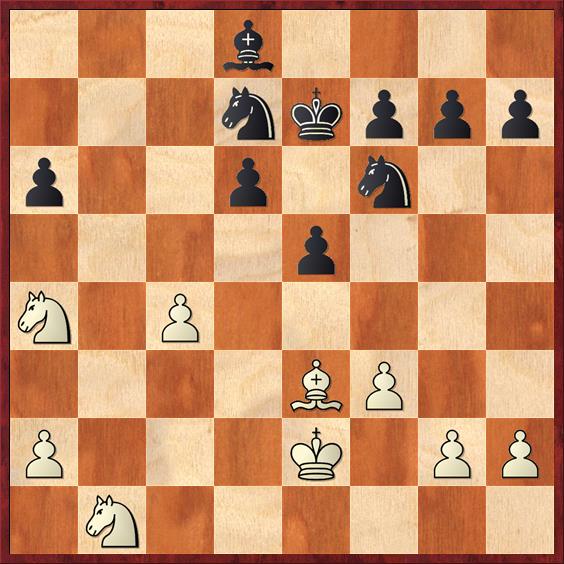
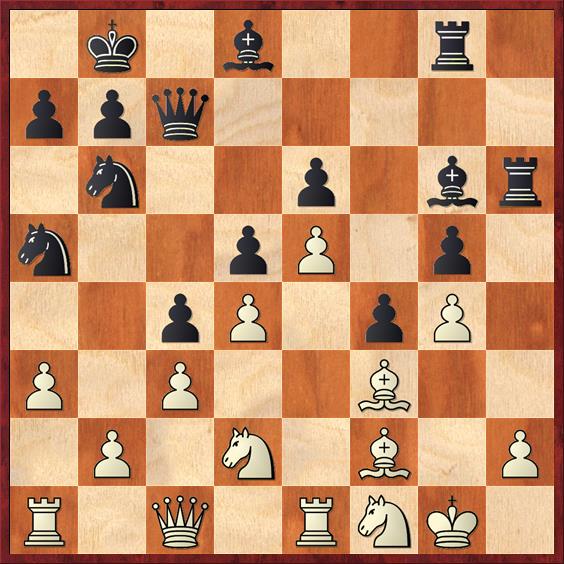
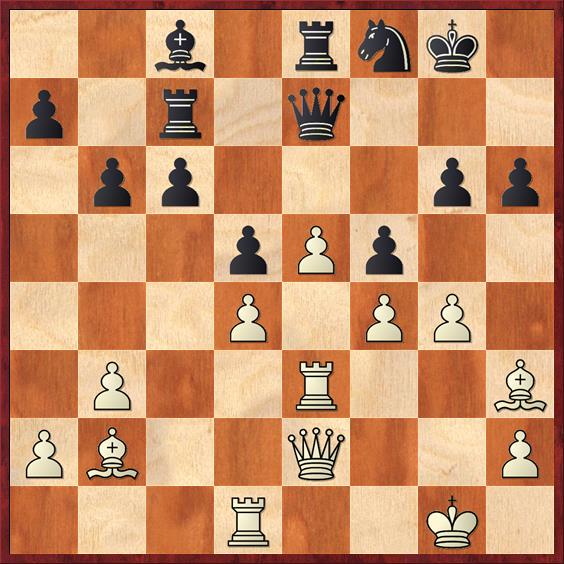
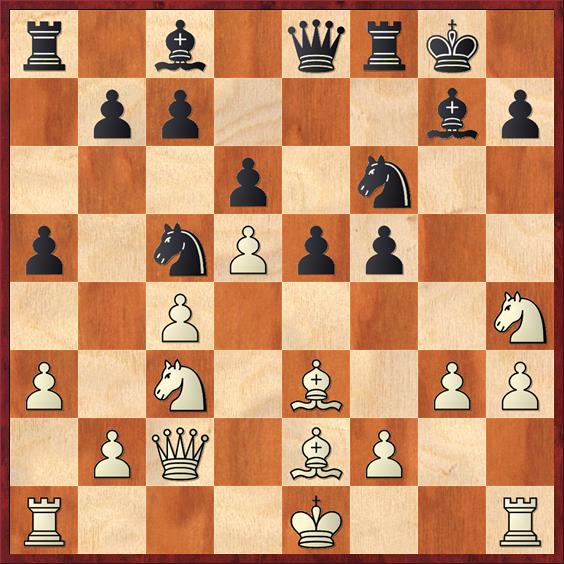
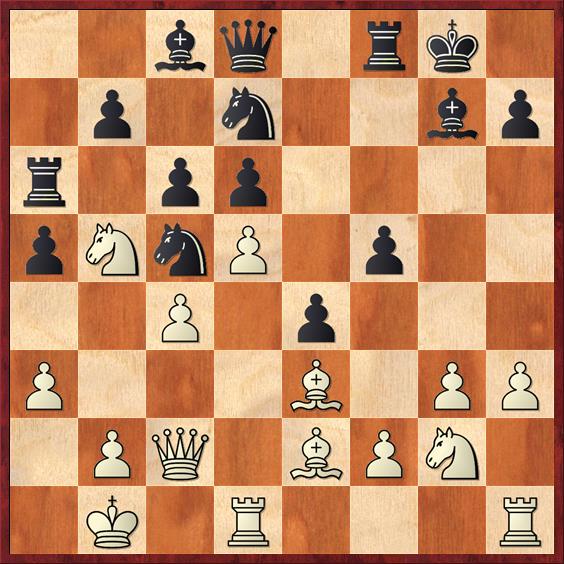
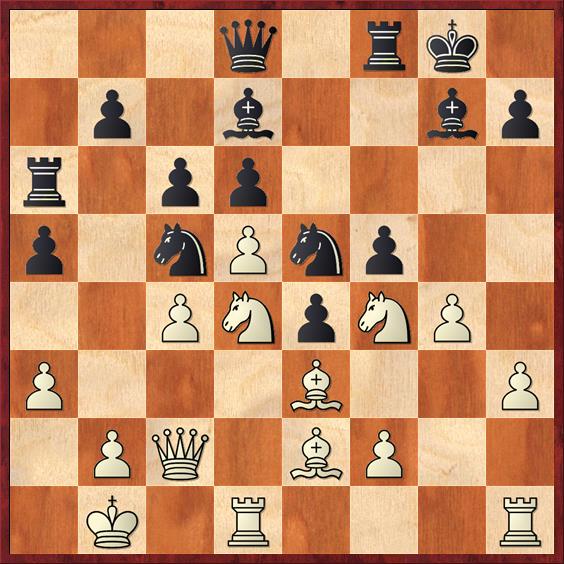
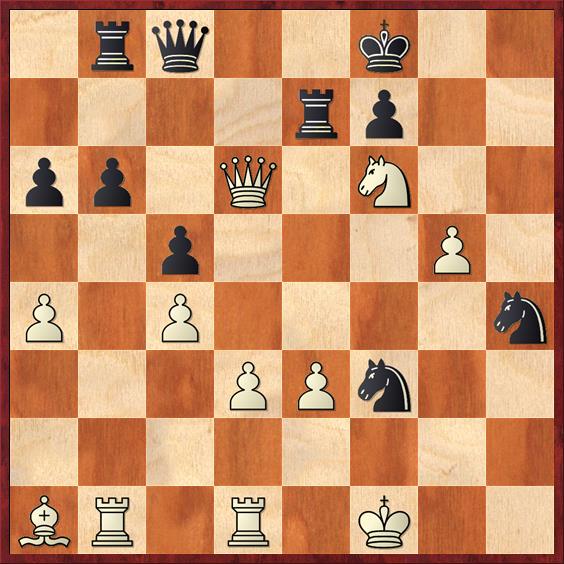
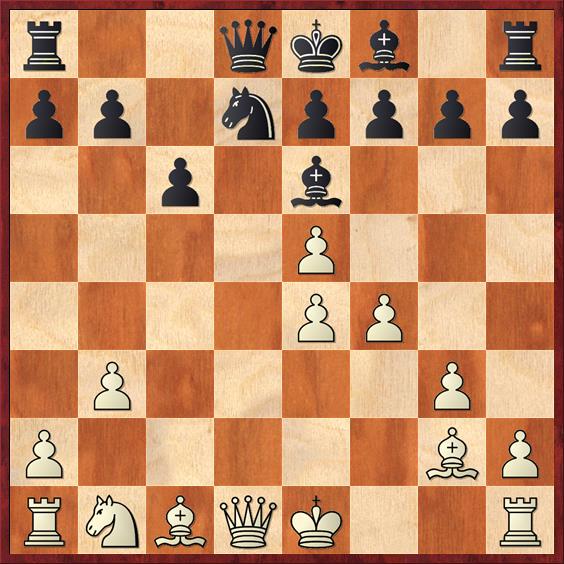
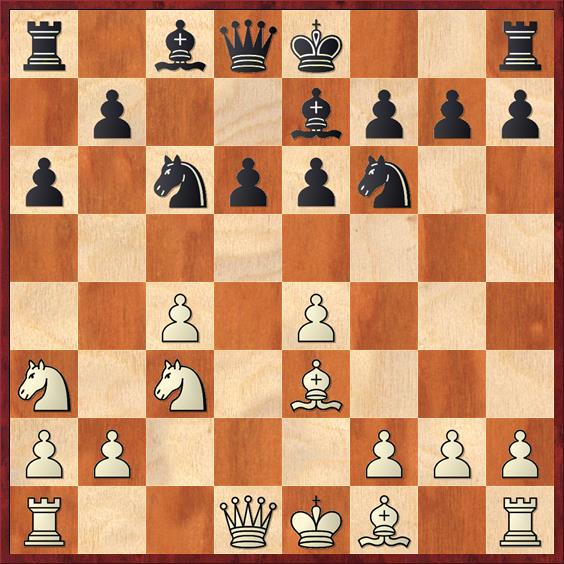
    Black has built up quite some pressure. ‘I had absolutely zilch in the opening’, Werle admitted. ‘I had already offered a draw somewhere.’ (on move 17)

    Here Black can already grab a pawn with 22…Nxa4! 23.bxa4 Rac8, and 23.Bxd5 Nxb2 24.Bxa8 Nxd1 also doesn’t work for White. Werle himself was expecting 22…Le4 23.Qe2 Qb7 24.f3 Bd5 ‘and I didn’t know yet what I was going to play here.’

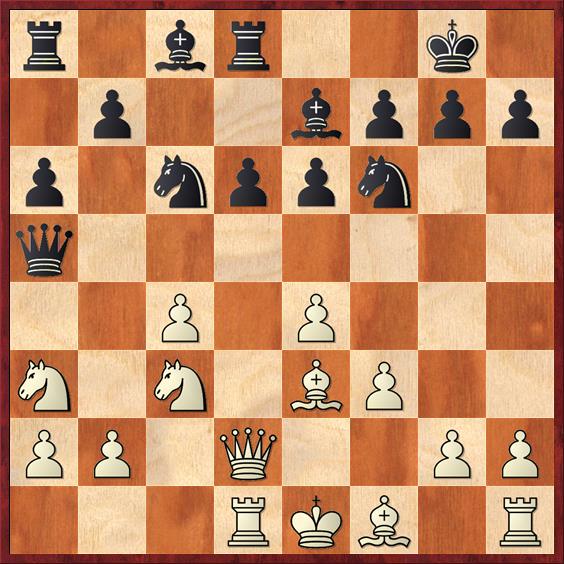
    22…Bxc4!? 23.Qxc4 Rac8 24.Rd2!

    The right idea.

    24…Kh7?!

    It turns out that Black should have played 24…Ne4! here anyway. After 25.Qxc8 Rxc8 26.Rxc8+ Kh7 27.Rdc2 Qd6 and …Qd5, he has the initiative. In this position the queen is stronger than the two rooks because it is nimbler, and, especially, because b3 remains weak.

    25.Rdc2
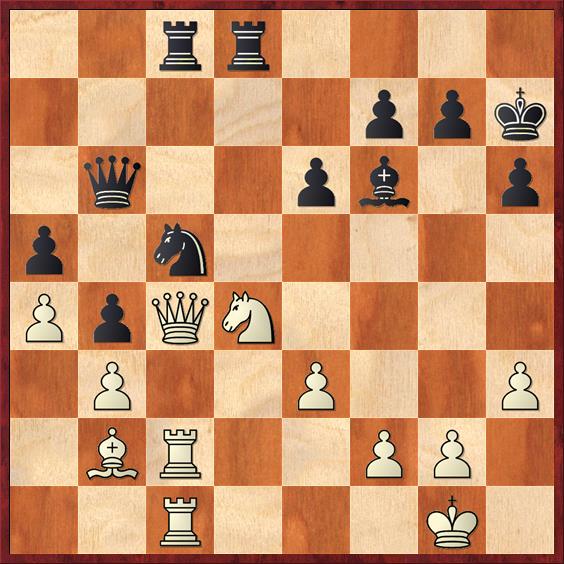


    25…e5?

    Black could still reinforce c5 here with the hard-to-find move 25…Rd5, as now 26.e4? is no good due to 26…Rdd8! and everything in White’s camp is ‘loose’.

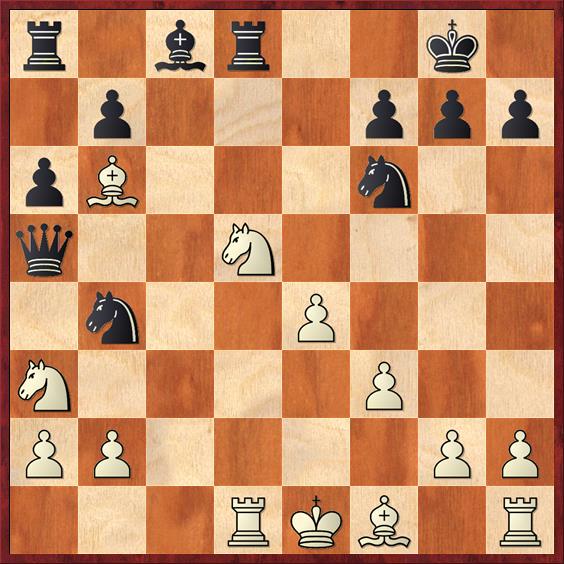
    26.Qb5!

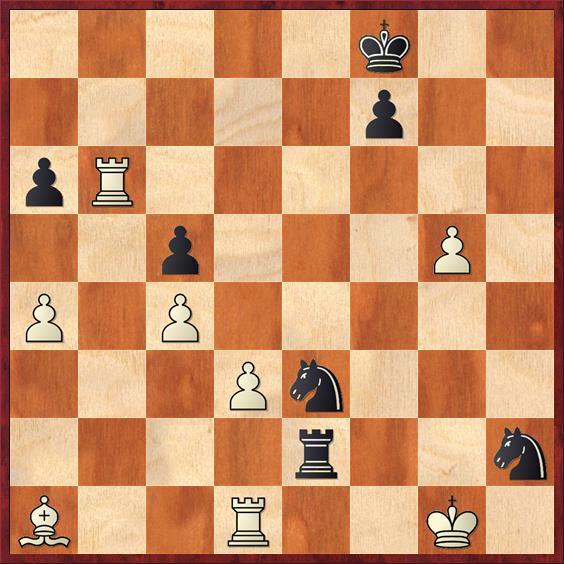
    Now the pin along the c-file is lethal.

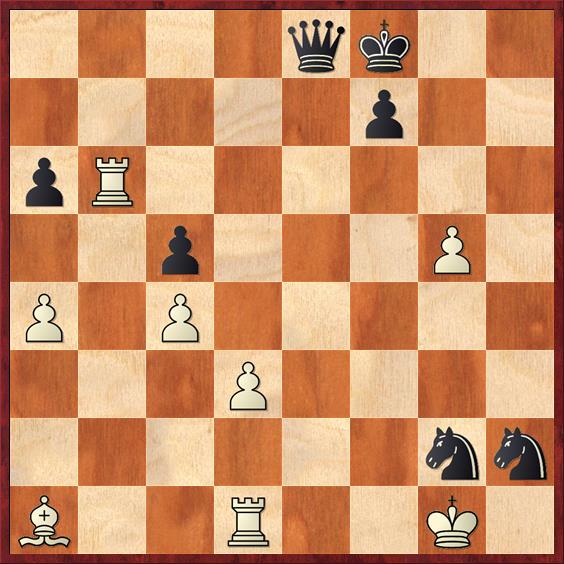
    26…Qd6 27.Nf3 e4 28.Bxf6 Qxf6 29.Nd4 Nd3 30.Rxc8 Qxf2+ 31.Kh2 Rxd4 32.R1c2 Qf1 33.exd4

    There is no attack.

    33…e3 34.Re8 f5 35.Rxe3 Qf4+ 36.Rg3 1–0


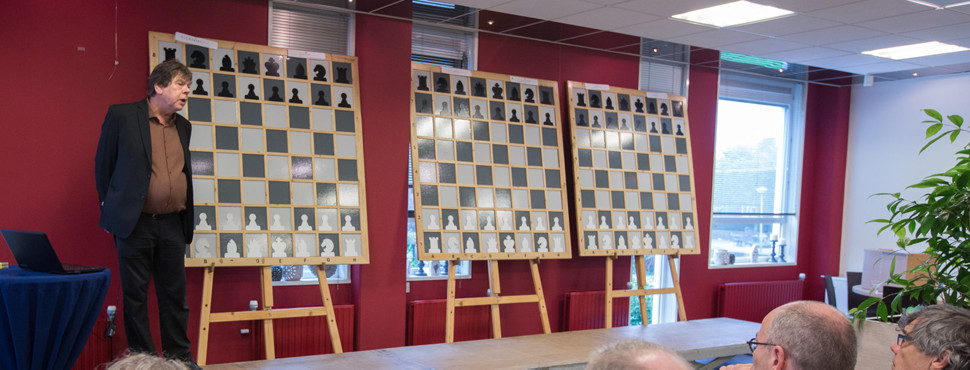
    The Indian grandmasters Vishnu and Gupta didn’t hurt each other on board 2. Benjamin Bok did hurt Erwin l’Ami a little, one board down. Against the Caro-Kann he used the same Short Variation that Jorden van Foreest also played twice against Timman in their match. Commentator Cor van Wijgerden refused to analyse this opening with the ironic remark ‘I don’t understand anything of this anyway.’ The plan with b2-b3 and c3-c4 surprised l’Ami. ‘After that I had to defend pretty heavily’, the black player said. Luckily for him, Bok sank into deep thought in a good position and then offered a draw.


    Antonios Pavlidis joined the pursuers by beating the strong Czech grandmaster Jiri Stocek. He had a slight advantage when they entered the final phase of the game, but Stocek himself gave the decisive push.


    Stocek – Pavlidis
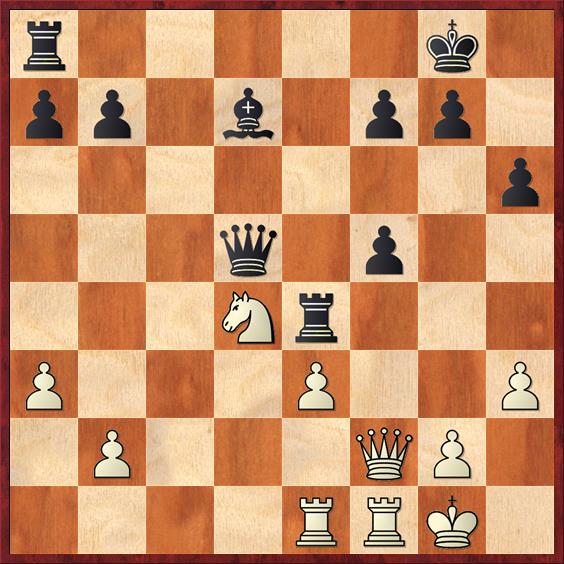


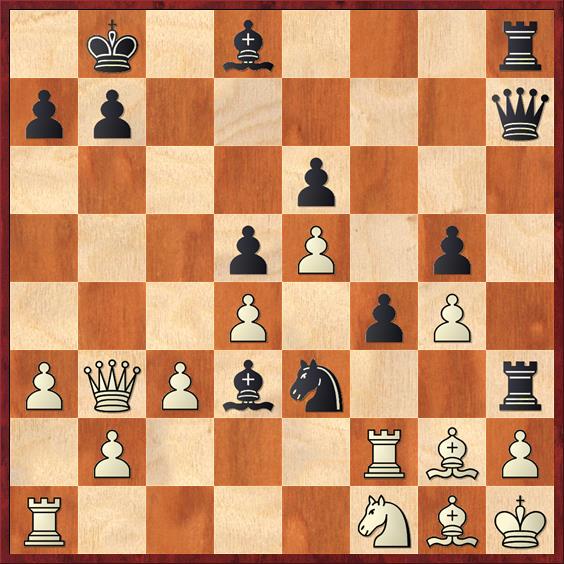
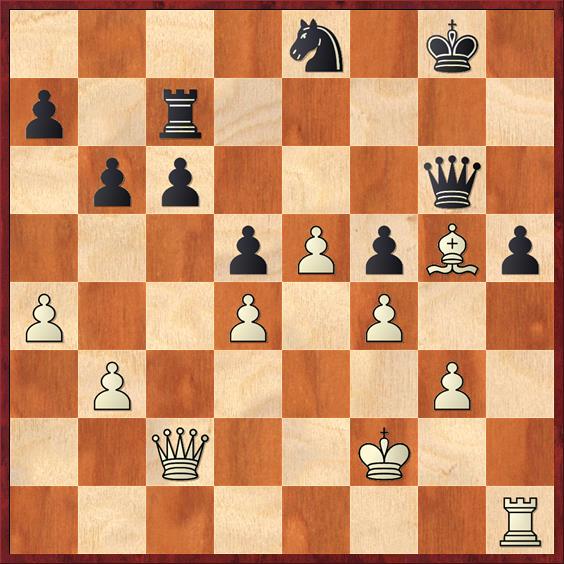
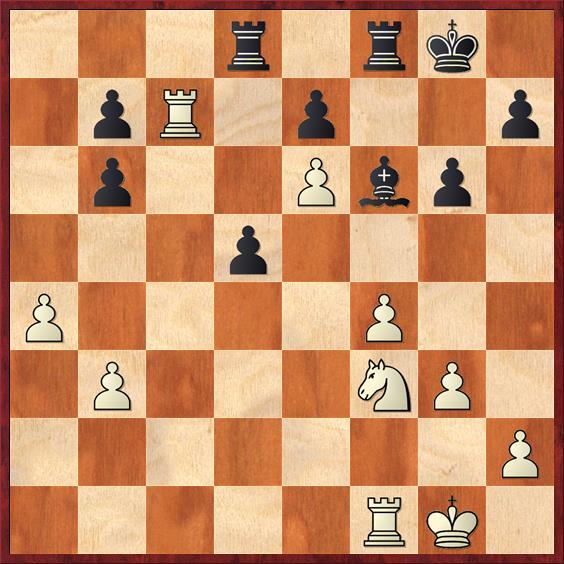
    Black is a little better here – how should he profit?

    26…f4

    This makes the game more attractive than the slightly favourable rook ending after 26…Qxd5 27.Nxf5 Qxf5.

    27.Rd1 Ba4! 28.b3 fxe3

    The strike on f7 is not a great problem.

    29.Qxf7+ Kh8 30.Ne2

    Of course not 30.bxa4 e2!.

    30…Re7 31.Qf3 Bxb3 32.Rd4 Rae8 33.d6 Rd7 34.Rc1 Qe5 35.Rd3 Rf7
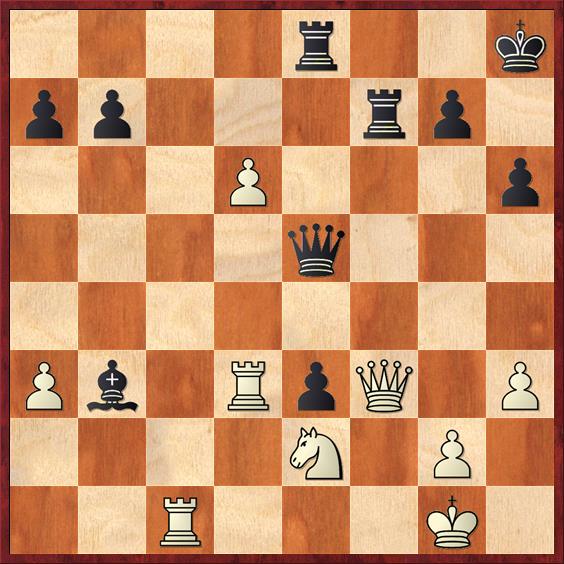


    36.d7? Rxf3 37.gxf3

    In time-trouble Stocek must have thought that he could play 37.dxe8Q+ Qxe8 38.gxf3, but then 38…Qg6+ 39.Kh1 Qxd3 wins decisive material.

    37…Rd8 0–1


    Debashis-Bogner
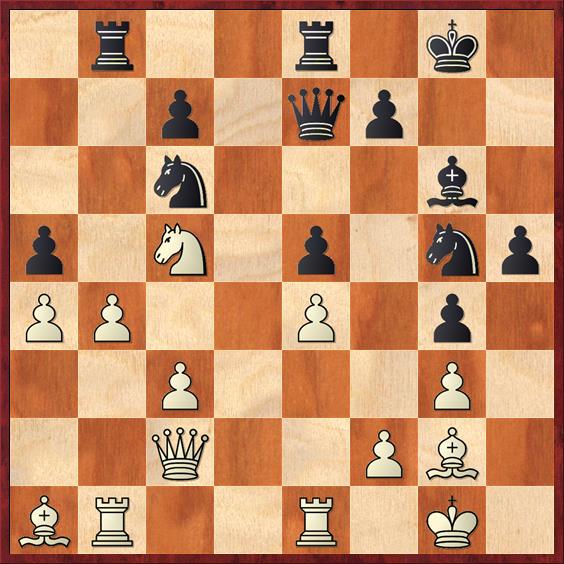


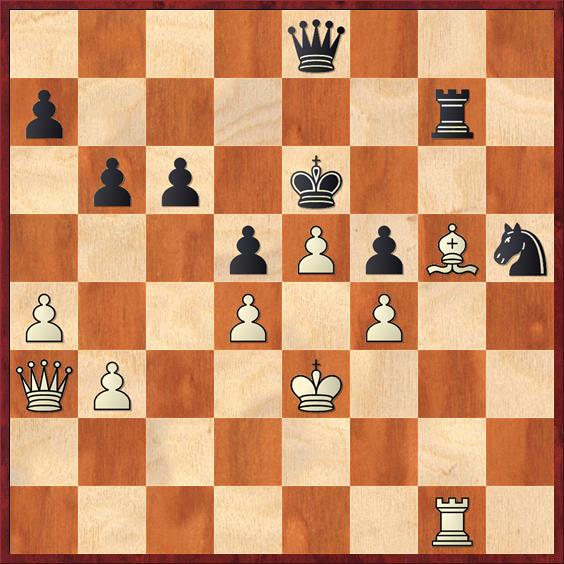
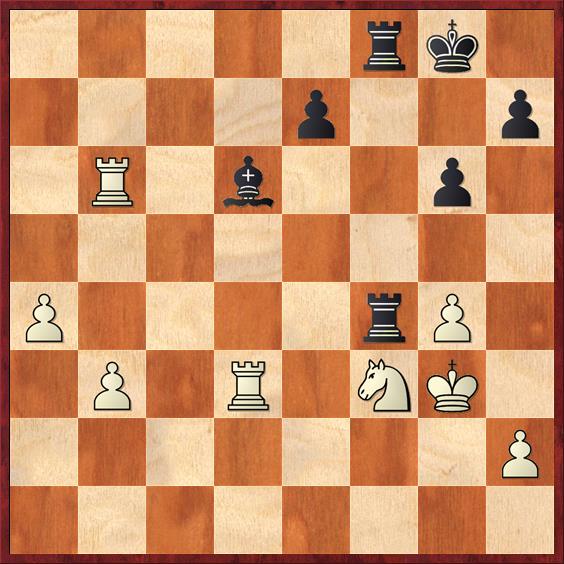
    30.Re3!?

    A pretty intuitive decision, Debashis said. ‘After 30…axb4 31.cxb4 Nxb4 32.Qc4 White has a strong bishop on a1 without a counterpart, and all his pieces are active. That must be enough compensation, I didn’t calculate any further.’ After, for instance, 32…Nc6 33.Rc1, White also has annoying pressure along the c-file.

    30…Kg7 31.Rd1 Rbd8 32.Rxd8 Rxd8 33.Nd3
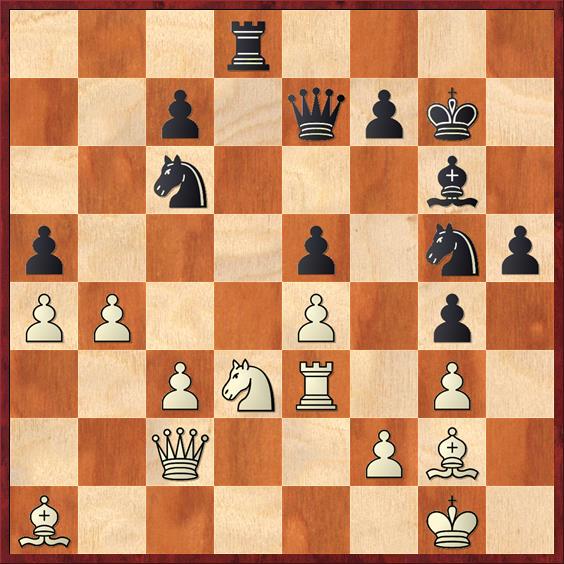
    33…Nf3+?!

    In time-trouble it is now Black who sacrifices a pawn – at least in the long term. It looks better to ‘fill’ the long diagonal with 33…axb4 34.cxb4 Nd4. Then White has a strong passed pawn on the queenside, but Black has central play.

    34.Bxf3 gxf3 35.b5 Nb8 36.c4

    First gain space on the queenside and put pressure on e5. In the long term, the f3-pawn cannot be held.

    36…Nd7
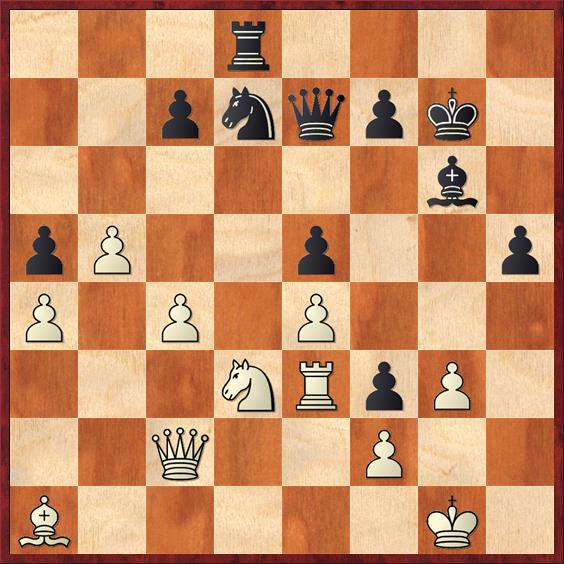


    37.Nf4 Nc5 38.Nxg6 Kxg6 39.Rxf3

    Simple chess. Black loses a pawn and he has a number of weaknesses in return for it.

    39…f6 40.Bc3 Qe6 41.Bxa5 Rd4 42.Bxc7 Rxc4 43.Rc3 1–0


    The following game was submitted for the round prize. Under ‘Date’ the black player had written ‘the future’. For today was the date at which the time travelers Marty McFly and Doctor Emmett Brown arrived in the film ‘Back to the Future’.


    Kouwenhoven – Losekoot
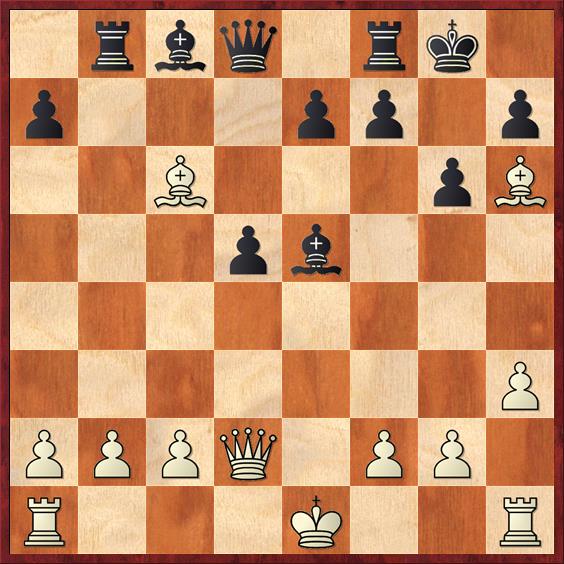


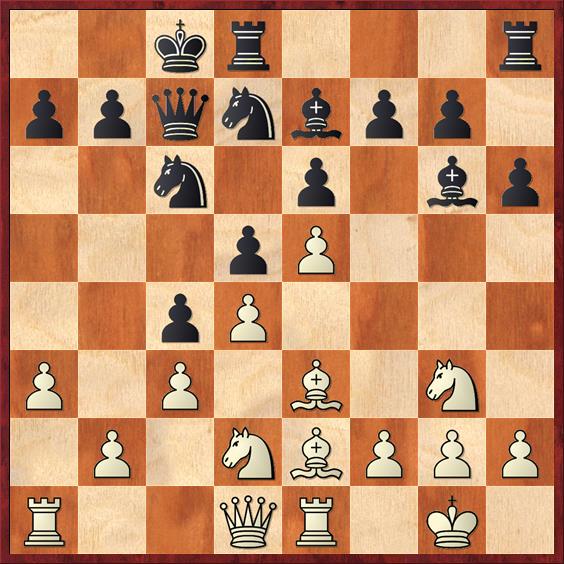
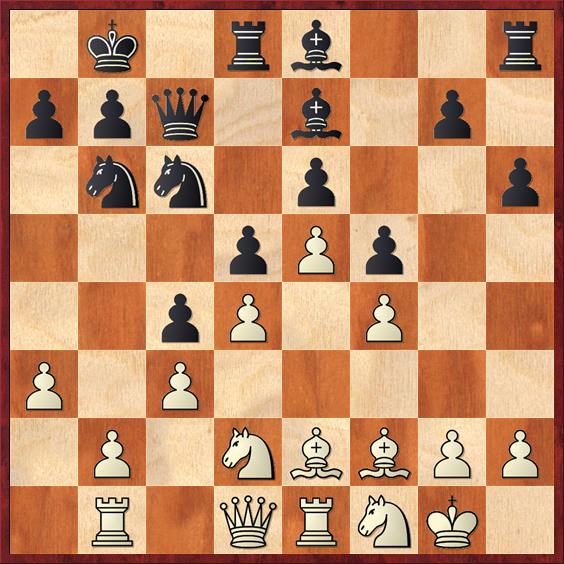
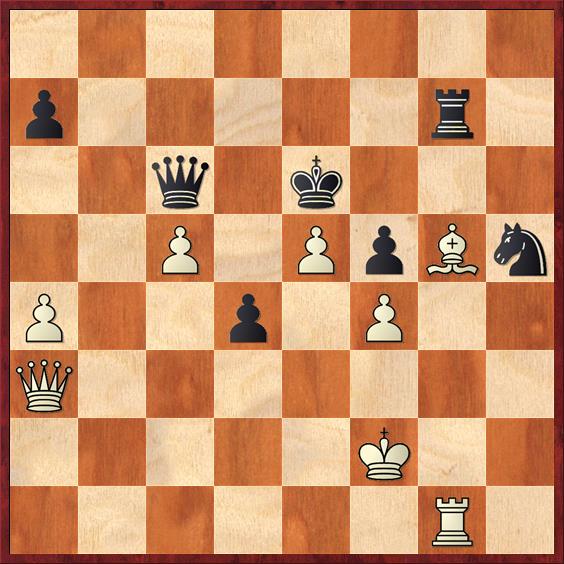
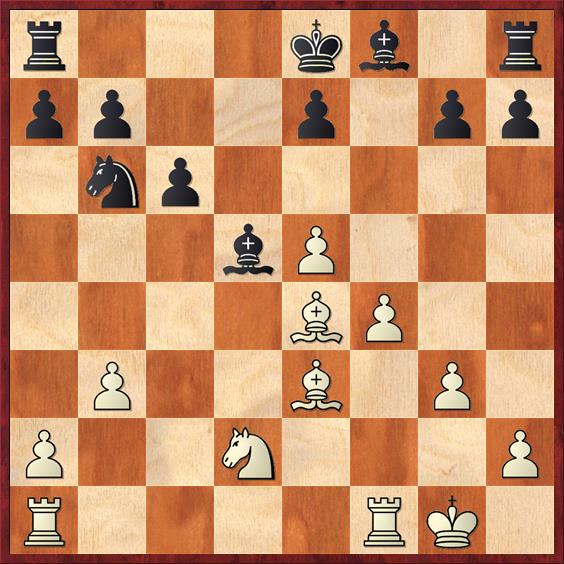
    Black leaves the exchange for what it is, and now he strikes on the queenside:

    15…Bxb2

    The direct 15…Ba6! was even better, in order to make a real sacrificial game of it.

    16.Rd1?

    Relatively best was 16.0–0, after which White remains a healthy pawn behind. Now the fireworks start.

    16…Qc7 17.Bxf8 Ba6! 18.c4 Bxc4 19.f4
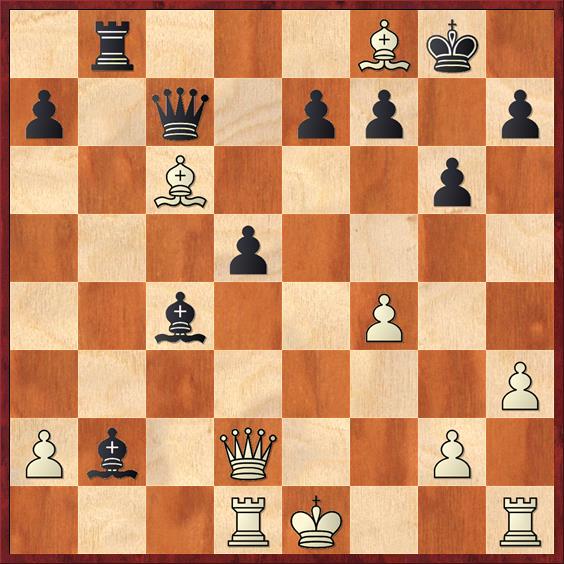


    19…Bf6

    Threatening, for example, 20…Rb2, but also 20…Bh4+. In fact, anything but taking back a bishop.

    20.g3 Rb2 21.Qe3 Qa5+ 22.Rd2 Rxd2

    Followed by winning the queen. White resigned.
  • Werle verschalkt Sengupta

    Werle verschalkt Sengupta

    Wie kon Deep Sengupta nog stoppen? Dat leek een gerechtvaardigde vraag toen we na een zet of 20 naar de stelling aan het topbord van het Open toernooi keken. Maar Jan Werle had voor dit toernooi zijn tactiek bijgespijkerd en greep onmiddellijk het eerste kleine kansje dat hij in de schoot geworpen kreeg. En zo bleek de Indische grootmeester toch feilbaar, en pakte Werle de koppositie. Liefst negen man staan op een half puntje afstand.

    D8C_0832
    Foto: Frans Peeters

    Werle – Sengupta


    Zwart heeft een behoorlijke drukstelling opgebouwd. “Ik had helemaal niks in de opening”, gaf Werle toe. “Ik had al ergens remise aangeboden.” (op zet 17)

    Hier kon zwart al ongestraft een pionnetje pakken met 22…Pxa4! 23.bxa4 Tac8, en ook 23.Lxd5 Pxb2 24.Lxa8 Pxd1 werkt niet voor wit. Zelf dacht Werle aan 22…Le4 23.De2 Db7 24.f3 Ld5 “en ik wist nog niet wat ik daarop zou doen.”

    22…Lxc4!? 23.Dxc4 Tac8 24.Td2!

    Het juiste idee.

    24…Kh7?!

    Het blijkt dat zwart hier toch 24…Pe4! had moeten spelen. Na 25.Dxc8 Txc8 26.Txc8+ Kh7 27.Tdc2 Dd6 en …Dd5 heeft hij het initiatief. In deze stelling is de dame beter dan de torens omdat ze wendbaarder is en vooral omdat b3 zwak blijft.

    25.Tdc2


    25…e5?

    Zwart kon hier nog stutten met de lastig te vinden zet 25…Td5 want nu kan 26.e4? niet wegens 26…Tdd8! en alles is ‘los’ bij wit.

    26.Db5!

    Nu is de penning over de c-lijn dodelijk.

    26…Dd6 27.Pf3 e4 28.Lxf6 Dxf6 29.Pd4 Pd3 30.Txc8 Dxf2+ 31.Kh2 Txd4 32.T1c2 Df1 33.exd4

    Er is geen aanval.

    33…e3 34.Te8 f5 35.Txe3 Df4+ 36.Tg3 1–0


    De Indische grootmeesters Vishnu en Gupta deden elkaar geen pijn aan bord 2. Benjamin Bok deed een bord lager Erwin l’Ami wel een beetje pijn. Tegen de Caro-Kann koos hij voor dezelfde Short-variant die Jorden van Foreest ook al tweemaal tegen Timman speelde in de match. Commentator Cor van Wijgerden weigerde de opening te analyseren met het ironische “Ik snap hier toch niks van.” Het plan met b2-b3 en c3-c4 verraste l’Ami. “Daarna moest ik wel even stevig in de keep”, zei de zwartspeler. Gelukkig voor hem verzonk Bok in goede stelling in diepe gedachten en bood hij toen toch maar remise aan.

    Antonios Pavlidis schaarde zich bij de achtervolgers door de sterke Tsjechische grootmeester Jiri Stocek te verslaan. Hij ging met een voordeeltje de slotfase van de partij in, maar Stocek zelf gaf het beslissende zetje.

    Stocek – Pavlidis


    Zwart staat wat beter – hoe nu te oogsten?

    26…f4

    Maakt het aantrekkelijker dan het licht voordelige toreneindspel na 26…Dxd5 27.Pxf5 Dxf5.

    27.Td1 La4! 28.b3 fxe3

    Het inslaan op f7 is geen groot probleem.

    29.Dxf7+ Kh8 30.Pe2

    Natuurlijk niet 30.bxa4 e2!.

    30…Te7 31.Df3 Lxb3 32.Td4 Tae8 33.d6 Td7 34.Tc1 De5 35.Td3 Tf7


    36.d7? Txf3 37.gxf3

    In tijdnood moet Stocek hebben gedacht dat hij 37.dxe8D+ Dxe8 38.gxf3 kon spelen, maar daarna wint 38…Dg6+ 39.Kh1 Dxd3 beslissend materiaal.

    37…Td8 0–1


    Debashis-Bogner


    30.Te3!?

    Een vrij intuïtieve beslissing, vertelde Debashis. “Na 30…axb4 31.cxb4 Pxb4 32.Dc4 heeft wit een sterke loper op a1 zonder een tegenstander, en al zijn stukken zijn actief. Dat moet genoeg compensatie zijn, ik heb het verder niet uitgerekend.” Na bijvoorbeeld 32…Pc6 33.Tc1 heeft wit ook onaangename druk over de c-lijn.

    30…Kg7 31.Td1 Tbd8 32.Txd8 Txd8 33.Pd3


    33…Pf3+?!

    In tijdnood is het nu zwart die – op termijn tenminste – een pion offert. Het lijkt beter om de lange diagonaal te plomberen met 33…axb4 34.cxb4 Pd4. Dan heeft wit een sterke vrijpion op de damevleugel, maar zwart heeft centraal spel.

    34.Lxf3 gxf3 35.b5 Pb8 36.c4

    Eerst ruimte winnen op de damevleugel en drukken op e5. De f3-pion is op den duur niet te houden.

    36…Pd7


    37.Pf4 Pc5 38.Pxg6 Kxg6 39.Txf3

    Simpel schaak. Zwart verliest een pion en heeft er een stel zwakten voor terug.

    39…f6 40.Lc3 De6 41.Lxa5 Td4 42.Lxc7 Txc4 43.Tc3 1–0


    De volgende partij werd ingediend voor de rondeprijs. Bij de datum had de zwartspeler geschreven: ‘the future’. Want het was vandaag de datum waarop de tijdreizigers Marty McFly en Doctor Emmett Brown arriveerden in de film ‘Back to the Future’.

    Kouwenhoven – Losekoot


    Die kwaliteit laat zwart lekker staan, en hij pakt door op de damevleugel:

    15…Lxb2

    Direct 15…La6! was nog beter, om er een echte offerpartij van te maken.

    16.Td1?

    Relatief het beste was 16.0–0, waarna wit een vrij gezonde pion achter blijft staan. Nu barst het vuurwerk los.

    16…Dc7 17.Lxf8 La6! 18.c4 Lxc4 19.f4


    19…Lf6

    Dreigt bijvoorbeeld 20…Tb2, maar ook 20…Lh4+. Eigenlijk alles behalve een loper terugslaan.

    20.g3 Tb2 21.De3 Da5+ 22.Td2 Txd2

    Gevolgd door damewinst. Wit gaf op.

  • Anna-Maja Kazarian bij RTL Late Night

    Anna-Maja Kazarian bij RTL Late Night

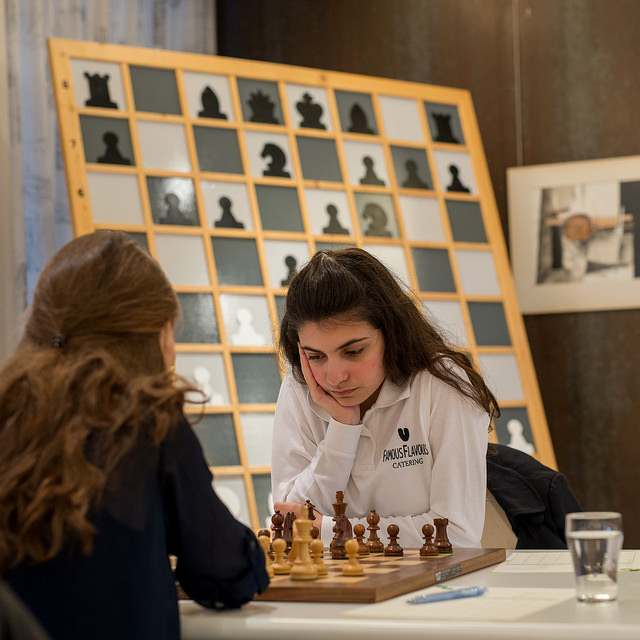
    Het leven van de 15-jarige Anna-Maja Kazarian draait om schaken. Ze is Europees Kampioen in haar haar leeftijdscategorie en volgende maand vertrekt ze naar IJsland waar ze meedoet aan het EK Landenteams mét de dames. Dit meisje is niet meer te stoppen en heeft maar 1 doel: de beste van de wereld worden!

    Bekijk de uitzending woensdag om 22:30 uur op RTL4.

  • Tough learning process for Kazarian

    Tough learning process for Kazarian

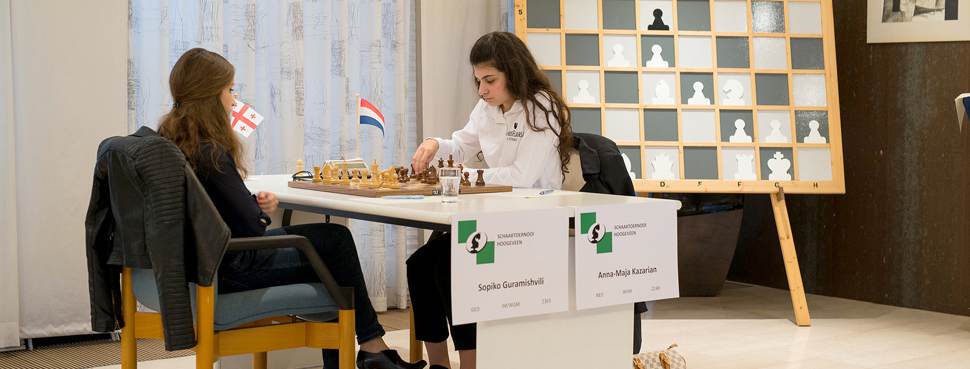
    The life of a great chess talent is beautiful, but sometimes heavy. 15-year-old Anna-Maja Kazarian is trailing 4-0 in the match with Sopiko Guramishvili, and it’s hard lines for her. Today things went wrong again in the opening, which was the same as in the second round. Kazarian initially played the opening better, but Miss Tactics was a few steps ahead again. ‘It would be better for Anna-Maja if she broadened her repertoire’, the Georgian player suggested.

    Kazarian – Guramishvili

    1.e4 c5 2.Nf3 e6 3.d4 cxd4 4.Nxd4 Nc6 5.Nb5 d6 6.c4 Nf6 7.N1c3 a6 8.Na3 Be7 9.Be2

    Better than 9.Be3 from Game 2.

    9…0–0 10.0–0 b6 11.Be3 Bb7 12.Qb3


    12…Ne5!?

    Here of course, 12…Nd7 has often been played. The text move is an interesting pawn sacrifice, invented by Robin van Kampen, said Guramishvili. Black quickly gets counterplay along the b-file.

    13.Bxb6

    13.Qxb6 Qxb6 14.Bxb6 Nxe4 is nice for Black.

    13…Qd7

    Vacating the 8th rank for the other rook. If Black plays 13…Qc8 and 14…Rb8, then White always has the irritating Ba7.

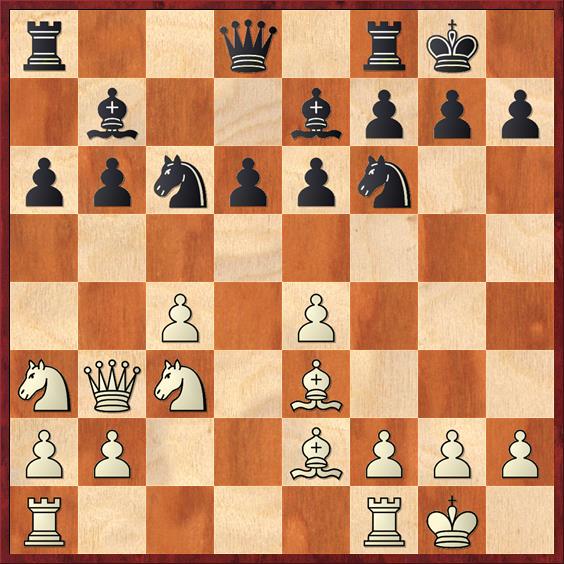
    14.f3 Rfb8 15.Rad1 Qc8 16.Nab1?

    A remarkable double mistake – and no, this is not Basque Chess.

    This was a good opportunity to create chaos on the board, something Kazarian should perhaps have strived for. After 16.Qc2 Bxe4 17.Nxe4 Rxb6 18.c5!? (18.b3 Ned7) 18…Rc6 19.Nxd6 Qc7 20.b4 or 16.c5 d5 17.Kh1 with the idea 17…Bxc5!? 18.Na4! Black is fine, but it’s a fight.

    16…Ned7?

    With 16…Bc6! Black could win a pieces, as Jorden van Foreest indicated in the commentary room. The bishop cannot be saved, for example after 17.a4 a5 and only then 18…Ned7. ‘Really?’ Guramishvili was slightly shocked after the game. ‘Up to 17…a5 I’d seen it, but I didn’t look any further, so I just went on with my plan.’

    17.Be3 Bxe4

    Instead of an extra piece Black now simply has a good position. The pawn on b2 is weak.

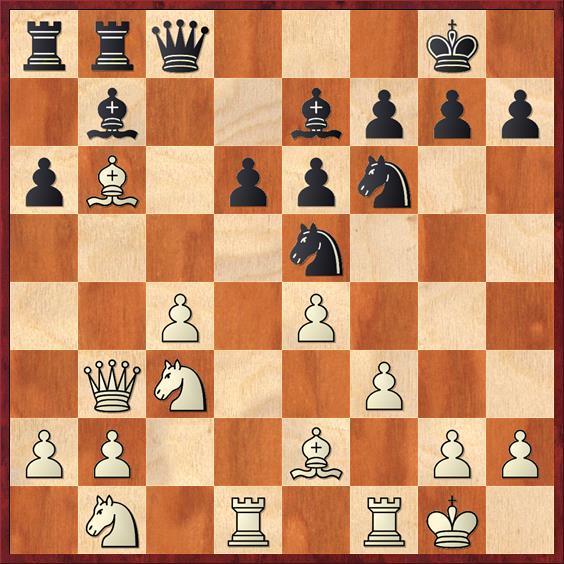
    18.Qa3 Bc6 19.Bf4!? e5 20.Be3 Bf8!


    With the annoying threat of 21…d5. The consequence of White’s 19th move would have been 21.Nd5. But now:

    21.b4?

    21.Nd5 Bxd5 (21…Qb7 22.Nxf6+ Nxf6 23.b3 d5 24.Bc5 is still more or less acceptable for White) 22.cxd5 Qb7 23.Bc4 Qxb2 24.Qxb2 Rxb2 25.Bb3 was suggested in the commentary room. Perhaps 23…Nb6! is better for Black than taking on b2, because White may get counterchances by closing in the rook.

    21…Qb7

    And now the b-pawn cannot be saved.

    22.Nd2 Qxb4 23.Qxb4 Rxb4

    Now White has to exchange the rooks in order to prevent an invasion on b2.

    24.Rb1

    Guramishvili also reckoned with 24.Pb3, but Black keeps the initiative with 24…a5.

    24…Rab8 25.Rxb4 Rxb4 26.Rb1 Rxb1+ 27.Ndxb1 Be7 28.Bd1 Bd8 29.Ba4 Bxa4 30.Nxa4 Kf8 31.Kf1 Ke7 32.Ke2

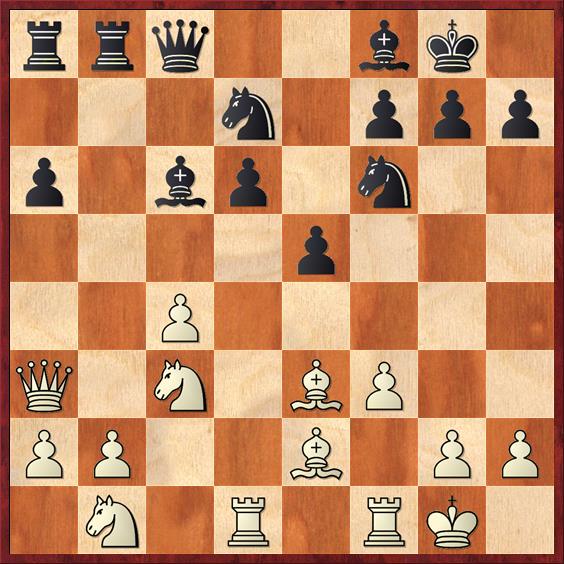
    Now Black has control and she can play…

    32…d5!

    After…

    33.c5 Nb8

    … the white c-pawn was easily stopped, and in the end the black centre pawns were too strong.

    That was the fourth defeat, which meant that Sopiko Guramishvili has already won the match. For Anna-Maja Kazarian the event has become a very tough learning process. In the future this will undoubtedly prove useful, though she may not like it right now.

  • Harde leerschool voor Kazarian

    Harde leerschool voor Kazarian

    Het leven van een groot schaaktalent is vaak mooi, en soms zwaar. 4-0 staat de 15-jarige Anna-Maja Kazarian nu achter in de match met Sopiko Guramishvili, en dat is een hard gelag. Vandaag ging het weer mis in de opening, die dezelfde was als in de tweede ronde. Kazarian speelde het aanvankelijk beter, maar Miss Tactics was haar weer een paar stappen voor. “Het zou beter voor Anna-Maja zijn als ze haar repertoire uitbreidde”, opperde de Georgische.

    Kazarian – Guramishvili

    1.e4 c5 2.Pf3 e6 3.d4 cxd4 4.Pxd4 Pc6 5.Pb5 d6 6.c4 Pf6 7.P1c3 a6 8.Pa3 Le7 9.Le2

    Beter dan 9.Le3 uit partij 2.

    9…0–0 10.0–0 b6 11.Le3 Lb7 12.Db3


    12…Pe5!?

    Hier is natuurlijk vaak 12…Pd7 gespeeld. De tekstzet is een interessant pionoffer, die uit de koker van Robin van Kampen komt, zo meldde Guramishvili. Zwart krijgt snel tegenspel over de b-lijn.

    13.Lxb6

    13.Dxb6 Dxb6 14.Lxb6 Pxe4 is lekker voor zwart.

    13…Dd7

    Maakt plaats voor de andere toren. Als zwart 13…Dc8 speelt en 14…Tb8, heeft wit steeds irritant La7.

    14.f3 Tfb8 15.Tad1 Dc8 16.Pab1?

    Een opmerkelijke dubbele fout – en nee, dit is geen Baskisch schaak.

    Hier was een aardige gelegenheid om chaos te scheppen, iets wat Kazarian misschien na had moeten streven. Na 16.Dc2 Lxe4 17.Pxe4 Txb6 18.c5!? (18.b3 Ped7) 18…Tc6 19.Pxd6 Dc7 20.b4 of 16.c5 d5 17.Kh1 met de idee 17…Lxc5!? 18.Pa4! staat zwart prima, maar is het in ieder geval een gevecht.

    16…Ped7?

    Met 16…Lc6! kon zwart een stuk winnen, zoals Jorden van Foreest in de commentaarzaal aangaf. De loper is niet meer te redden, bijvoorbeeld na 17.a4 a5 en pas hierna 18…Ped7. “Echt waar?”, schrok Guramishvili na de partij. “Ik had het tot en met 17…a5 nog gezien, maar niet verder gekeken, dus ik ging gewoon verder met mijn plan.”

    17.Le3 Lxe4

    In plaats van een stuk voor staat zwart nu gewoon goed. Pion b2 is zwak.

    18.Da3 Lc6 19.Lf4!? e5 20.Le3 Lf8!


    Met de vervelende dreiging 21…d5. De consequentie van wits 19e zet zou nu 21.Pd5 geweest zijn. Maar nu:

    21.b4?

    21.Pd5 Lxd5 (21…Db7 22.Pxf6+ Pxf6 23.b3 d5 24.Lc5 is nog te doen voor wit) 22.cxd5 Db7 23.Lc4 Dxb2 24.Dxb2 Txb2 25.Lb3 werd gesuggereerd in de commentaarzaal. Misschien is 23…Pb6! voor zwart beter dan slaan op b2, want het insluiten van de toren geeft wit tegenkansen.

    21…Db7

    En nu is de b-pion niet te redden.

    22.Pd2 Dxb4 23.Dxb4 Txb4

    Nu moest wit de torens ook nog ruilen om een inval op b2 te voorkomen.

    24.Tb1

    Guramishvili hield nog rekening met 24.Pb3, maar zwart houdt het initiatief met 24…a5.

    24…Tab8 25.Txb4 Txb4 26.Tb1 Txb1+ 27.Pdxb1 Le7 28.Ld1 Ld8 29.La4 Lxa4 30.Pxa4 Kf8 31.Kf1 Ke7 32.Ke2

    Nu heeft zwart de controle en kan zij…

    32…d5!

    … spelen. Na…

    33.c5 Pb8

    … bleef de witte c-pion onder controle, en de zwarte centrumpionnen waren tenslotte te sterk.

    Dat was de vierde nederlaag, die de matchzege voor Sopiko Guramishvili betekende. Voor Anna-Maja Kazarian is het een keiharde leerschool geworden. Die zal in de toekomst ongetwijfeld nuttig blijken te zijn, maar daar zal ze nu even geen boodschap aan hebben.

  • Clear lines

    Clear lines

    In the previous rounds we saw complications that were often bizarre. Today, especially the two routine players opted for clearer, more strategic paths. This yielded Jan Timman his first full point against Jorden van Foreest.


    Photo: Frans Peeters
     

    Van Foreest – Timman

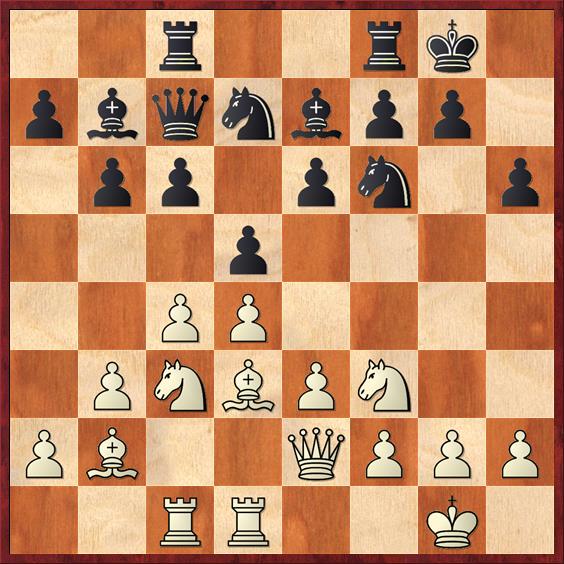
    1.e4 c6 2.d4 d5 3.e5 Bf5 4.Nf3 e6 5.Le2 Nd7 6.0–0 Ne7 7.Nbd2 h6 8.c3 Qc7

    Instead of 8…Ng6 from the first game, after which things got complicated right away. ‘Too Jobava-like’, Timman said. He now opts for clear lines.

    9.Re1 c5

    ‘White’s 9.Re1 is good against …f7-f6 and …g7-g5, but not against this move’, Timman explained.

    10.Nf1 Nc6 11.Ng3 Bg6 12.Le3 Be7 13.a3

    Timman criticized this move: ‘…c5-c4 will come anyway.’

    13…c4 14.Nd2 0–0–0


    In the commentary room, Dimitri Reinderman called this ‘a remarkable move’. Everything depends on whether White can break with b2-b3 here.

    15.f4

    15.b3 cxb3 16.Nxb3 might have been a more practical choice. The play is more open, and even though the white pieces are not yet well positioned to carry out an attack on the queenside, it may just happen sometime. On the other hand, if Black gets a firm hold of c4, that could also work against White.

    15…f5

    Black fixes the position, on the queenside as well as the kingside. After that he can attack along the g- or the h-file.

    16.Rb1

    Afterwards, 16.exf6 was suggested, in order to give the game a turn. ‘But Black takes back with the pawn, plays …f6-f5, and puts his knight on e4’, Timman said.

    16…Nb6 17.Ngf1

    17.b3 does not work very well here either: 17…cxb3 18.Nxb3 Nc4 19.Bxc4 dxc4 20.Nd2 Na5.

    17…Kb8 18.Lf2 Be8!


    Now Black controls the entire board. …g7-g5 is coming, and this bishop can also go to a4. Van Foreest had missed this idea.

    19.Ne3 g5 20.g3 Na5 21.Lf3 Ba4 22.Qe2 Rdg8 23.fxg5

    Opening the h-file for Black. With hindsight, the players thought the waiting move 23.Kh1 was better, after which it’s not easy to get through.

    23…hxg5 24.g4 f4 25.Nef1 Be8 26.Qd1 Bg6

    Taking another beautiful diagonal. Timman felt like a fish in water in this position.

    27.Ra1 Bd8 28.Qc1 Rh6


    29.Kh1

    Timman suggested 29.h4!? here, so that White won’t get busted along the h-file. This would probably have been merely a stay of execution.

    29…Rgh8 30.Lg1 Qh7 31.Re2 Rh3 32.Lg2 Rh4 33.Lf3 Rh3

    Just repeating the moves for a bit, even though it was Van Foreest who was in time-trouble here.

    34.Lg2 Bd3 35.Rf2 Nb3!

    Now they are coming from all sides.

    36.Nxb3 cxb3 37.Qd1 Nc4 38.Qxb3 Ne3


    Finally, h2 cannot be defended anymore.

    39.Qb4 Nxf1 0–1


    Foto: Frans Peeters

    Sopiko Guramishvili also decided on a change in strategy. It meant she had to work harder, but it did yield her another full point. It was encouraging for Anna-Maja Kazarian, however, that she was able to keep defending strongly for a long time.


    Guramishvili – Kazarian

    1.d4 d5 2.c4 c6 3.Nf3 Nf6 4.e3 e6 5.b3

    The structural approach. In the first game Miss Tactics had played 5.Nc3 and g2-g4 (in a different move order). Kazarian had probably prepared something against that, but Guramishvili is one step ahead.

    5…Nbd7 6.Ld3 b6 7.0–0 Bb7 8.Lb2 Be7 9.Nc3 0–0 10.Qc2 h6 11.Rfd1 Rc8 12.Rac1 Qc7 13.Qe2!


    13…Rfd8?

    Not good, according to the white player: ‘Normally Black plays 13…Qb8 here. Now I have an advantageous liquidation thanks to the pin along the c-file.’

    14.cxd5 exd5 15.Lf5 g6

    Putting the bishop on a slightly less favourable square, but this move also slightly weakens her king’s position.

    16.Lh3 Bb4

    To get better control of e4, but now the white knight becomes powerful on e5.

    17.Ne5 Bxc3 18.Rxc3 Qd6

    Black wants to untie her pieces with …Rc7. The violent 18…Ne4 was not a good option, as after something like 19.Rc2 there is no 19…f5 because the pawn on g6 is hanging. But now it is a threat.

    19.f3 Rc7 20.Nxd7

    Too bad about the active knight, but the direct 20.e4 dxe4 21.fxe4?? is not so good in view of 21…Nxe5.

    20…Nxd7 21.e4 Re8 22.Re3

    22.Lc1! looked strong as well. Now, for the first time in the match, Kazarian shows her tenacity and she stays in the game for a long time.

    22…Nf8 23.e5 Qe7 24.f4 f5 25.g4 Bc8


    26.gxf5

    ‘Maybe I opened the position too early’, Guramishvili thought. But how else can White make progress? After something like 26.Rg3 Black reacts with 26…Qf7 and she threatens to take on g4 herself. Now there follows a manoeuvring phase in which White doesn’t really make much headway.

    26…Bxf5 27.Bxf5 gxf5 28.Qh5 Qe6 29.Rg3+ Rg7 30.Kf2 Rxg3 31.hxg3 Qg6 32.Qf3 Ne6 33.Rc1 Nc7 34.Qc3 Re6 35.Qd3 h5 36.Rh1 Qf7 37.a4 Rh6 38.Qc2 Qg6 39.La3 Ne8 40.Le7 Rh7 41.Lg5 Rc7


    42.g4!

    An attractive move. Of course Black cannot take this pawn, but she can hold.

    42…Ng7 43.gxh5 Nxh5 44.Rg1 Rg7 45.Qd1

    ‘I thought that around here Black was more or less in zugzwang’, Guramishvili said, ‘but it’s not that simple.’

    45…Kf7 46.Ke3 Ke6 47.Qc1 Qe8 48.Qa3


    48…c5!

    Guramishvili showed appreciation for this move. ‘An interesting move, giving a pawn for counterplay.’

    49.dxc5 d4+ 50.Kf2

    50.Kxd4?? Nxf4! is entirely wrong.

    50…Qc6 51.b4?!

    With the subtle 51.Qa2! White could maintain an advantage, for example: 51…Qxc5 52.b4+ Qd5 53.Qxd5+ Kxd5 54.Rh1 Rh7 55.Rh4 and the passed e-pawn is a great tie for Black.

    51…bxc5

    Condemned by Guramishvili: ‘Better was 51…Qd5 to keep the tension, with …d4-d3 etc.’

    52.bxc5


    52…Rb7?

    Again, 52…Qd5 was the best chance.

    53.Rc1!

    Perhaps even stronger was 53.Re1! followed by 54.Qa2+, a queen swap, and then advancing the e-pawn.

    53…Rd7?

    ‘This was a very bad move’, Guramishvili said. Now White wins by force. 53…Ng7 was necessary, when White has to try 54.Lh6 or 54.Qd3 (54.Qh3? Rb2+).

    54.Qb3+ Qd5

    54…Rd5 55.Rh1.

    55.Qb8! Qa2+ 56.Kg1 Qd2


    57.Qg8+

    It looks dangerous, but the black king is already caught in a mating net.

    57…Rf7 58.Qe8+ Kd5 59.Qa8+ Rb7

    59…Ke6 60.Qc6#.

    60.Qxb7+ Ke6 61.Qb3+ Kd7 62.c6+

    And Kazarian resigned, right before the mating move.

  • Sengupta and Gupta call the shots

    Sengupta and Gupta call the shots

    Deep Sengupta seized a big opportunity today. He defeated his compatriot Das Debashis in a pretty quiet game in which Debashis blundered a pawn. Since Erwin l’Ami, despite fierce attempts, didn’t manage to break through Vishnu Prasanna’s rock-solid defences, both reached no further than 4 points and Sengupta took the sole lead with 4½. Benjamin Bok and Jan Werle joined his pursuers. Werle had to beat his own partner, Iozefina Paulet, to achieve this. But then she had won the brilliance prize this morning for yesterday’s game with Arghyadip Das.

    After his defeat in the second round, Abhijeet Gupta is back with a vengeance. Today he showed against Alexander Shabalov how things can go very wrong for Black in a King’s Indian position that seems to offer him great attacking chances.

    Gupta – Shabalov

    1.d4 Nf6 2.c4 g6 3.Nc3 Bg7 4.e4 d6 5.Nf3 0–0 6.h3

    Krasenkow’s move.

    6…e5 7.d5 Nh5 8.g3 f5 9.exf5 gxf5 10.Nh4 Qe8 11.Le2 Nf6 12.Lg5 Na6 13.Qc2 Nb4 14.Qd2 a5 15.a3 Na6 16.Qc2

    White takes aim at f5.

    16…Nc5 17.Le3


    Now, not 17.Nxf5?? Bxf5 18.Qxf5 Nfe4 and it’s game over already.

    17…e4

    In the commentary room, Dimitri Reinderman analysed 17…f4: 18.gxf4 exf4 19.Bxf4 Nfe4! is very good for Black, but White has a better option: 19.Bxc5 Nd7! (the bishop has no squares) 20.Ne4 Nxc5 21.Ng5 with a strong attack.

    18.0–0–0 Nfd7 19.Kb1 Ra6!

    An interesting and aggressive move. 19…Qe7 was the safer option.

    20.Nb5! Qd8 21.Ng2 c6!?


    In order to play for unclear complications after 22.Nxd6 with 22…Rb6. Gupta opts for a much more practical idea:

    22.Nd4! Ne5 23.Nf4 Bd7 24.g4!


    Now the black fortress crumbles.

    24…cxd5 25.cxd5 Ba4 26.Qd2 Ncd3

    Taking on d1 doesn’t help; White wins the exchange back on a6 or e6.

    27.Bxd3 exd3 28.Rc1 Rb6 29.Nfe6 Qf6 30.Nxg7!

    Now all Black’s pieces are hanging.

    30…f4 31.Nh5 Qg6 32.Nxf4 Qe4 33.f3 Bc2+ 34.Ka1 1–0


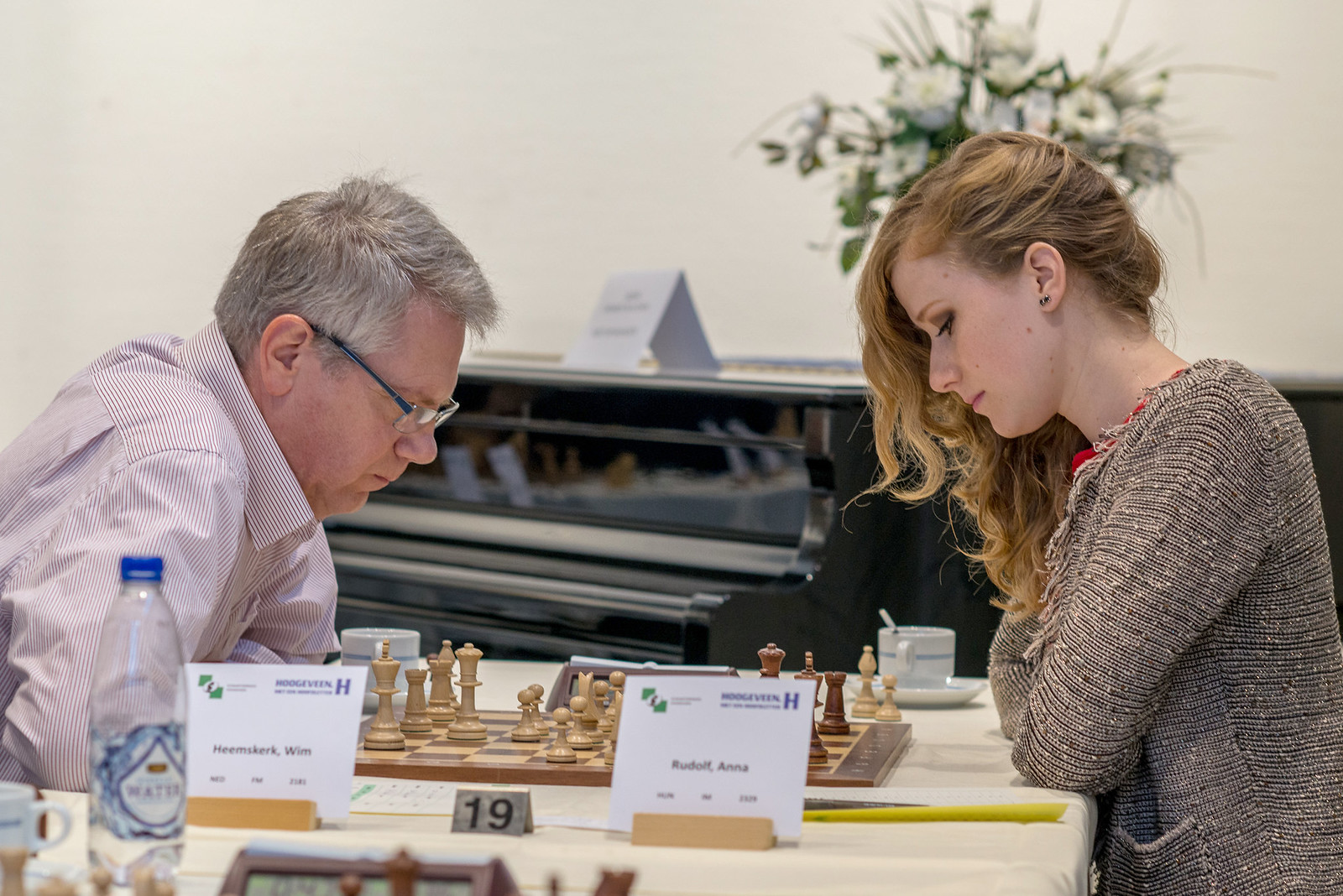
    What happened on board 19 today defies all description. Wim Heemskerk often plays quiet, positional games, but something seems to have come over him in this tournament.

    Heemskerk – Rudolf


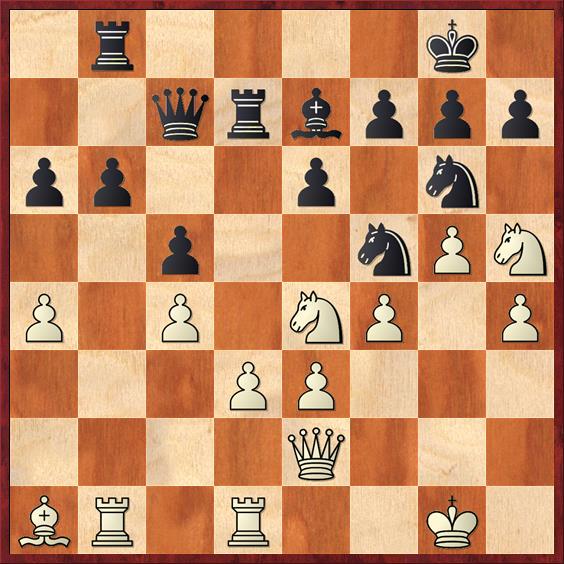
    White puts everything on the long diagonal – literally and figuratively:

    26.Qb2 e5

    26…Qc6 27.Nxg7 Nxe3 28.Nxe6 f6 29.f5 Nxf5 30.gxf6 (30.Nxf6+? Bxf6 31.Qxf6 Nfxh4 and here it is Black who wins in the attack!) 30…Qxe6 31.fxe7 Rxe7, or 31…Nd4, and it’s still a fight.

    27.fxe5 Bd8

    27…Ngxh4 28.Nxg7 Nf3+ (28…Nxg7 29.e6) 29.Kf2 Nxg7 30.Kxf3 Ne6 31.Qg2!, also with a winning attack; or 27…Qc6 28.Nxg7 Nxg7 29.e6 Nxe6 30.h5, and Black won’t be able to hold this either.

    28.Qf2 Nfxh4


    29.Nxg7!

    Always the introduction to a seething attack.

    29…Nxe5 30.Ne8?!

    ‘I shouldn’t have allowed that pair of knights to enter my position’, said Heemskerk when he had recovered from the game. Strong was 30.Bxe5 Qxe5 31.Nh5, and if Black evades the lethal check on f6 with 31…Kh8, White wins a piece on h4.

    30…Nef3+ 31.Kf1 Qc8 32.Qg3

    There were more roads leading to Rome, like 32.N8f6+ Kf8 33.Nxh7+ Kg8 34.Nef6+ Bxf6 35.Nxf6+ Kf8 36.Nxd7+ Qxd7 37.Qg3.

    32…Lc7 33.N4f6+ Kf8 34.Nxc7 Rxc7 35.Qd6+ Re7 36.Nxh7+ Kg8 37.Nf6+ Kf8


    38.Nd7+

    Chess can be a whole lot of fun, if you are sitting behind the white pieces here.

    38…Qxd7 39.Qxb8+

    But this is too much fun! 39.Qh6+ was mate in two.

    39…Re8

    Suddenly the white advantage is gone, and Black takes over the attack.

    40.Qg3 Rxe3 41.Kf2 Qe8 42.Rxb6!

    Quite cool-headed, after what happened to him before. It is also the only move that prevents worse.

    42…Re2+ 43.Kf1 Nh2+ 44.Kg1 Rg2+

    Black did have an attractive attempt here in 44…Nf5! 45.Qh3 Qe3+ 46.Qxe3 Nxe3.

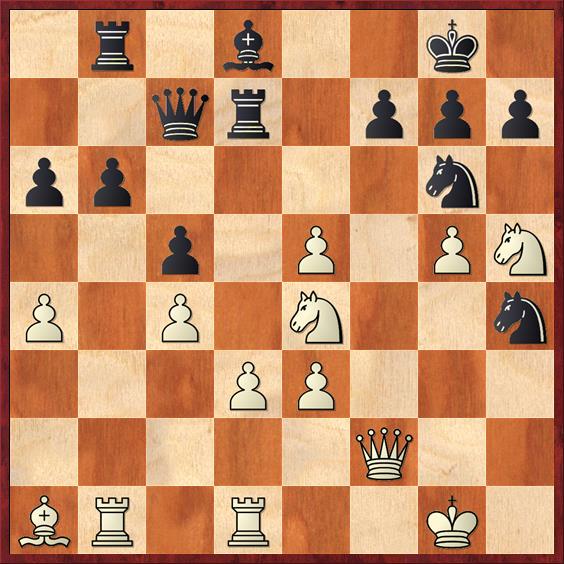
    (analysis diagram)


    How can White prevent the mate with …Nf3+ and Rh2 ??

    47.Rb8+ Ke7 48.Rb7+ Ke6 49.Rb6+ Kf5 50.Rf6+ Kg4 (50…Kxg5 51.Rf2) 51.g6! fxg6 52.Rxg6+ Kh5 53.Rg3 Nxd1 54.Rh3+ Kg4 55.Rxh2 and chances are that this also ends in a draw.

    45.Qxg2 Nxg2


    46.Rdb1!

    Again, quite cold-blooded! One of the knights will perish anyway.

    46…Qe3+ 47.Kxh2 Nf4

    Again threatening mate in two, so now it’s time to finish the story with a perpetual:

    48.Rb8+ Ke7 49.Lf6+ Kd7 50.R1b7+ Kc6 51.Rb6+ Kd7 ½–½


    After this exciting battle, Anna Rudolf came to the pressroom to present a special broadcast for Chess24…


  • Sengupta en Gupta delen de lakens uit

    Sengupta en Gupta delen de lakens uit

    Deep Sengupta sloeg vandaag een grote slag. Hij versloeg zijn landgenoot Das Debashis in een vrij rustige partij waarin Debashis een pion verblunderde. Omdat Erwin l’Ami ondanks verwoede pogingen niet door de uit beton opgetrokken verdediging van Vishnu Prasanna heen kwam, bleven beiden steken op 4 punten en pakte Sengupta alleen de kop met 4½. Benjamin Bok en Jan Werle sloten aan bij de achtervolgers. Werle moest daarvoor zijn eigen partner, Iozefina Paulet, verslaan. Maar die had die ochtend weer de schoonheidsprijs gewonnen voor haar partij van gisteren tegen Arghyadip Das.

    Na zijn nederlaag in de tweede ronde is Abhijeet Gupta helemaal terug. Vandaag liet hij tegen Alexander Shabalov zien hoe het mis kan gaan voor zwart in een Koningsindische stelling die hem zulke mooie aanvalskansen lijkt te bieden.
     

    Gupta – Shabalov

    1.d4 Pf6 2.c4 g6 3.Pc3 Lg7 4.e4 d6 5.Pf3 0–0 6.h3

    De zet van Krasenkow.

    6…e5 7.d5 Ph5 8.g3 f5 9.exf5 gxf5 10.Ph4 De8 11.Le2 Pf6 12.Lg5 Pa6 13.Dc2 Pb4 14.Dd2 a5 15.a3 Pa6 16.Dc2

    Wit neemt f5 op de korrel.

    16…Pc5 17.Le3


    Nu niet 17.Pxf5?? Lxf5 18.Dxf5 Pfe4 en het is alweer uit.

    17…e4

    In de commentaarzaal werd 17…f4 geanalyseerd: 18.gxf4 exf4 19.Lxf4 Pfe4! is heel goed voor zwart, maar wit heeft beter: 19.Lxc5 Pd7! ( de loper heeft geen velden) 20.Pe4 Pxc5 21.Pg5 met een sterke aanval.

    18.0–0–0 Pfd7 19.Kb1 Ta6!

    Een interessante en agressieve zet. 19…De7 was de veiligere optie.

    20.Pb5! Dd8 21.Pg2 c6!?


    Om na 22.Pxd6 in troebel water te kunnen vissen met 22…Tb6. Gupta kiest voor een veel praktischere optie:

    22.Pd4! Pe5 23.Pf4 Ld7 24.g4!


    Nu stort het zwarte bolwerk in.

    24…cxd5 25.cxd5 La4 26.Dd2 Pcd3

    Op d1 slaan helpt niet; wit wint de kwaliteit terug op a6 of e6.

    27.Lxd3 exd3 28.Tc1 Tb6 29.Pfe6 Df6 30.Pxg7!

    Nu hangt echt alles bij zwart.

    30…f4 31.Ph5 Dg6 32.Pxf4 De4 33.f3 Lc2+ 34.Ka1 1–0

    Wat vandaag aan bord 19 gebeurde tartte elke beschrijving. Wim Heemskerk speelt vaak rustige, positionele partijen, maar in dit torenooi lijkt er iets in hem te zijn gevaren.

    Heemskerk – Rudolf


    Wit zet letterlijk en figuurlijk alles op de lange diagonaal:

    26.Db2 e5

    26…Dc6 27.Pxg7 Pxe3 28.Pxe6 f6 29.f5 Pxf5 30.gxf6 (30.Pxf6+? Lxf6 31.Dxf6 Pfxh4 en het is zwart die in de aanval wint!) 30…Dxe6 31.fxe7 Txe7, of 31…Pd4, en het is nog een heel gevecht.

    27.fxe5 Ld8

    27…Pgxh4 28.Pxg7 Pf3+ (28…Pxg7 29.e6) 29.Kf2 Pxg7 30.Kxf3 Pe6 31.Dg2! eveneens met winnende aanval; of 27…Dc6 28.Pxg7 Pxg7 29.e6 Pxe6 30.h5 en ook dit houdt zwart niet droog.

    28.Df2 Pfxh4


    29.Pxg7!

    Steeds de inleiding tot een ziedende aanval.

    29…Pxe5 30.Pe8?!

    “Ik had toch dat koppel paarden mijn stelling niet binnen moeten laten komen”, zei Heemskerk toen hij bijgekomen was van deze partij. Sterk was 30.Lxe5 Dxe5 31.Ph5 en als zwart het dodelijke schaak op f6 uit de weg gaat met 31…Kh8 pakt wit stukwinst op h4.

    30…Pef3+ 31.Kf1 Dc8 32.Dg3

    Er waren meer wegen naar Rome, zoals 32.P8f6+ Kf8 33.Pxh7+ Kg8 34.Pef6+ Lxf6 35.Pxf6+ Kf8 36.Pxd7+ Dxd7 37.Dg3.

    32…Lc7 33.P4f6+ Kf8 34.Pxc7 Txc7 35.Dd6+ Te7 36.Pxh7+ Kg8 37.Pf6+ Kf8


    38.Pd7+

    Schaken kan heel leuk zijn, als je hier achter de witte stukken zit.

    38…Dxd7 39.Dxb8+

    Maar dit is teveel gein! 39.Dh6+ was mat in twee.

    39…Te8

    Ineens is het witte voordeel weg en is het zwart die de aanval overneemt.

    40.Dg3 Txe3 41.Kf2 De8 42.Txb6!

    Koelbloedig gespeeld, na alles wat hem is overkomen. Het is ook de enige die erger voorkomt.

    42…Te2+ 43.Kf1 Ph2+ 44.Kg1 Tg2+

    Zwart kon hier nog iets fraais proberen met 44…Pf5! 45.Dh3 De3+ 46.Dxe3 Pxe3

    (analysediagram)


    Hoe verhindert wit het mat met …Pf3+ en Th2 ??

    47.Tb8+ Ke7 48.Tb7+ Ke6 49.Tb6+ Kf5 50.Tf6+ Kg4 (50…Kxg5 51.Tf2) 51.g6! fxg6 52.Txg6+ Kh5 53.Tg3 Pxd1 54.Th3+ Kg4 55.Txh2 en de kans is groot dat ook dit in remise eindigt.

    45.Dxg2 Pxg2


    46.Tdb1!

    Weer heel koelbloedig! Eén van de zwarte paarden gaat toch verloren.

    46…De3+ 47.Kxh2 Pf4

    Dreigt weer mat in twee, dus nu wordt het tijd om het verhaaltje uit te blazen met eeuwig schaak:

    48.Tb8+ Ke7 49.Lf6+ Kd7 50.T1b7+ Kc6 51.Tb6+ Kd7 ½–½


    Na dit enerverende gevecht kwam Anna Rudolf in de perskamer nog even een speciale uitzending voor Chess24 presenteren…


  • De klare lijn

    De klare lijn

    Zagen we tijdens de vorige dagen vaak bizarre verwikkelingen, vandaag zorgden met name de meer geroutineerde spelers voor helder, strategisch spel. Het bracht Jan Timman zijn eerste volle punt tegen Jorden van Foreest.


    Foto: Frans Peeters
     

    Van Foreest – Timman

    1.e4 c6 2.d4 d5 3.e5 Lf5 4.Pf3 e6 5.Le2 Pd7 6.0–0 Pe7 7.Pbd2 h6 8.c3 Dc7

    In plaats van 8…Pg6 uit de eerste partij, waarna de zaak meteen gecompliceerd werd. “Te Jobava-achtig”, zei Timman. Hij kiest nu voor de klare lijn.

    9.Te1 c5

    “Wits 9.Te1 is goed tegen …f7-f6 en …g7-g5, maar niet tegen deze zet”, legde Timman uit.

    10.Pf1 Pc6 11.Pg3 Lg6 12.Le3 Le7 13.a3

    Timman bekritiseerde deze zet: “…c5–c4 komt toch.”

    13…c4 14.Pd2 0–0–0


    In de commentaarzaal noemde Dimitri Reinderman dit ‘een opmerkelijke zet’. Alles hangt af van de vraag of wit hier kan breken met b2-b3.

    15.f4

    15.b3 cxb3 16.Pxb3 was mogelijk een betere praktische keuze. Het spel is opener en hoewel de witte stukken nog niet goed staan voor een aanval op de damevleugel, kan het daar misschien ooit van komen. Aan de andere kant, als zwart c4 stevig in handen krijgt kan dat ook weer averechts werken.

    15…f5

    Zwart legt de stelling vast, zowel op de dame- als op de koningsvleugel. Daarna kan hij gaan aanvallen over de g- of h-lijn.

    16.Tb1

    Achteraf werd hier 16.exf6 gesuggereerd, om de partij een andere wending te geven. “Maar zwart slaat met de pion terug, speelt …f6–f5 en zet zijn paard op e4”, zei Timman.

    16…Pb6 17.Pgf1

    17.b3 gaat nu ook niet goed op: 17…cxb3 18.Pxb3 Pc4 19.Lxc4 dxc4 20.Pd2 Pa5.

    17…Kb8 18.Lf2 Le8!


    Nu beheerst zwart het hele bord. …g7-g5 komt eraan en deze loper kan ook naar a4. Dit idee had Van Foreest gemist.

    19.Pe3 g5 20.g3 Pa5 21.Lf3 La4 22.De2 Tdg8 23.fxg5

    Opent de h-lijn voor zwart. Achteraf vonden de spelers het afwachtende 23.Kh1 beter, waarna het nog niet makkelijk is om erdoorheen te komen.

    23…hxg5 24.g4 f4 25.Pef1 Le8 26.Dd1 Lg6

    Pakt nog eens een mooie diagonaal. Timman voelde zich kiplekker in deze stelling.

    27.Ta1 Ld8 28.Dc1 Th6


    29.Kh1

    Timman opperde hier nog 29.h4!? zodat wit in ieder geval niet ge-h-lijnd wordt. Het had waarschijnlijk uitstel van executie betekend.

    29…Tgh8 30.Lg1 Dh7 31.Te2 Th3 32.Lg2 Th4 33.Lf3 Th3

    Even de zetten herhalen, hoewel het Van Foreest was die hier in tijdnood was.

    34.Lg2 Ld3 35.Tf2 Pb3!

    Nu komt het van alle kanten.

    36.Pxb3 cxb3 37.Dd1 Pc4 38.Dxb3 Pe3


    Eindelijk is h2 niet meer te handhaven.

    39.Db4 Pxf1 0–1


    Foto: Frans Peeters

    En ook Sopiko Guramishvili koos voor een ‘change in strategy’. Het leverde haar meer werk op, maar wel opnieuw een vol punt. Bemoedigend voor Anna-Maja Kazarian was dat ze lang sterk weerwerk bleef leveren.

    Guramishvili – Kazarian

    1.d4 d5 2.c4 c6 3.Pf3 Pf6 4.e3 e6 5.b3

    De structurele aanpak. In de eerste partij speelde Miss Tactics 5.Pc3 en g2–g4. Kazarian zal daar iets op bedacht hebben, maar Guramishvili is haar voor.

    5…Pbd7 6.Ld3 b6 7.0–0 Lb7 8.Lb2 Le7 9.Pc3 0–0 10.Dc2 h6 11.Tfd1 Tc8 12.Tac1 Dc7 13.De2!


    13…Tfd8?

    Niet goed, volgens de witspeelster: “Normaal speelt zwart hier 13…Db8 . Nu heb ik een voordelige afwikkeling vanwege de penning over de c-lijn.”

    14.cxd5 exd5 15.Lf5 g6

    Zet de loper op een iets ongunstiger veld, maar verzwakt ook haar koningsstelling licht.

    16.Lh3 Lb4

    Om betere controle over e4 te krijgen, maar nu komt het witte paard met kracht op e5.

    17.Pe5 Lxc3 18.Txc3 Dd6

    Zwart wil zich loswurmen met …Tc7. Het gewelddadige 18…Pe4 ging niet, want na iets als 19.Tc2 is er geen 19…f5 omdat pion g6 hangt. Nu dreigt dat wel.

    19.f3 Tc7 20.Pxd7

    Jammer van het actieve paard, maar direct 20.e4 dxe4 21.fxe4?? is niet zo goed wegens 21…Pxe5.

    20…Pxd7 21.e4 Te8 22.Te3

    22.Lc1! zag er ook sterk uit. Kazarian toont nu, voor het eerst in deze match, haar taaiheid en blijft lang in de partij.

    22…Pf8 23.e5 De7 24.f4 f5 25.g4 Lc8


    26.gxf5

    “Misschien heb ik de stelling te vroeg geopend”, bedacht Guramishvili zich. Maar hoe komt wit anders verder? Na iets als 26.Tg3 reageert zwart met 26…Df7 en dreigt ze zelf op g4 te slaan. Er volgt nu een manoeuvreerfase waarin wit niet echt verder komt.

    26…Lxf5 27.Lxf5 gxf5 28.Dh5 De6 29.Tg3+ Tg7 30.Kf2 Txg3 31.hxg3 Dg6 32.Df3 Pe6 33.Tc1 Pc7 34.Dc3 Te6 35.Dd3 h5 36.Th1 Df7 37.a4 Th6 38.Dc2 Dg6 39.La3 Pe8 40.Le7 Th7 41.Lg5 Tc7


    42.g4!

    Een aantrekkelijke zet. Zwart kan natuurlijk niet nemen, maar ze blijft staan.

    42…Pg7 43.gxh5 Pxh5 44.Tg1 Tg7 45.Dd1

    “Ik dacht dat zwart hier zo’n beetje in zetdwang was”, zei Guramishvili, “maar het is niet zo eenvoudig.”

    45…Kf7 46.Ke3 Ke6 47.Dc1 De8 48.Da3


    48…c5!

    Voor deze zet had Guramishvili wel waardering. “Een interessante zet, waarmee ze een pion geeft voor tegenspel.”

    49.dxc5 d4+ 50.Kf2

    50.Kxd4?? Pxf4! is helemaal mis.

    50…Dc6 51.b4?!

    Met het subtiele 51.Da2! kon wit voordeel behouden, bijvoorbeeld 51…Dxc5 52.b4+ Dd5 53.Dxd5+ Kxd5 54.Th1 Th7 55.Th4 en de vrije e-pion is een grote handenbinder voor zwart.

    51…bxc5

    Afgekeurd door Guramishvili: “Beter was 51…Dd5 om de spanning erin te houden, met …d4–d3 enzovoort.”

    52.bxc5


    52…Tb7?

    Opnieuw 52…Dd5 was de beste kans.

    53.Tc1!

    Misschien nog sterker was 53.Te1! gevolgd door 54.Da2+, dameruil en doorlopen met de e-pion.

    53…Td7?

    “Deze was echt niet goed”, zei Guramishvili. Nu wint wit achter elkaar. 53…Pg7 was nodig: wit moet dan 54.Lh6 of 54.Dd3 proberen (54.Dh3? Tb2+).

    54.Db3+ Dd5

    54…Td5 55.Th1.

    55.Db8! Da2+ 56.Kg1 Dd2


    57.Dg8+

    Het ziet er nog gevaarlijk uit, maar de zwarte koning bevindt zich al in een matnet.

    57…Tf7 58.De8+ Kd5 59.Da8+ Tb7

    59…Ke6 60.Dc6#.

    60.Dxb7+ Ke6 61.Db3+ Kd7 62.c6+

    En Kazarian gaf op, net voor de matzet.

  • Contingency abounds

    Contingency abounds

    We are not halfway through the matches yet. Anything can still happen. But just like her husband Anish Giri last year against Alexey Shirov, Sopiko Guramishvili has struck mercilessly in the first two days. The struggle between Jorden van Foreest and Jan Timman is still balanced, but today too, the game was subject to seismic swings.

    Timman – Van Foreest

    1.Nf3 Nf6 2.g3 d5 3.Bg2 c6 4.c4 Bg4 5.Ne5 Be6 6.b3 Nbd7 7.d4

    A very logical move, but in this position it is a novelty. The beaten paths haven’t yet been trodden in the wedding room of the town hall.

    7…Nxe5!?

    This looks debatable. More logical was 7…g6 followed by 8…Bg7 and kingside castling.

    8.dxe5 Nd7 9.cxd5 Bxd5 10.e4

    ‘I may have underestimated this a bit’, said Van Foreest.

    10…Be6 11.f4

    11…f5!?

    In the commentary room, 11…f6 was suggested. After 12.f5 Bxf5!? (the computer gives 12…Bg8 here, which is undoubtedly the best move) 13.exf5 Qa5+ 14.Kf1 Qxe5 15.Qc2 Black doesn’t have enough for the piece.

    However, 11…Nc5 looks more logical.

    12.Be3 Qa5+ 13.Qd2 Qxd2+ 14.Nxd2

    Now White gets a mighty centre.

    14…fxe4 15.Bxe4 Nb6 16.0–0 Bd5

    What went wrong for White? Van Foreest couldn’t give anything concrete after the game. ‘Maybe in this phase he should already have exchanged less pieces’, he suggested.

    17.Bxb6 axb6 18.Bxd5 cxd5 19.e6

    This looks very strong too, ‘but maybe it’s not so bad’, Van Foreest said.

    19…g6 20.Nf3 Bg7 21.Rac1 0–0 22.Rc7 Bf6

    With that pawn on e6, Van Foreest didn’t want to give up his own e-pawn. But here also, 22…Rxa2 23.Rxe7 Re2 was possible.

    23.a4 Rad8


    24.Rxb7

    It’s hard to imagine that this could be wrong, but 24.Ne5 looks more powerful, for example: 24…Rd6 (after 24…Bxe5 25.fxe5 Rfe8 26.Rxb7 Black is rather squeezed to death) 25.Nd7 Ra8 (25…Rd8 26.Re1) 26.Nxf6+ exf6 27.f5! gxf5 28.Rxf5 with strong pressure along the seventh rank.

    24…Rd6 25.Re1 Rc8

    Now Black has protected everything, and he is ready to start counterplay.

    26.g4?!

    This does little but weaken the f4-pawn, and with hindsight, Timman was not satisfied with this move.

    In the commentary room, Jorden thought that 26.Rd7 would have been White’s best chance: he had considered 26…Rxd7 (26…Kf8! looks like a good defence – Black will lay siege on the e6-pawn, possibly with …Ke8) 27.exd7 Rd8 28.Ne5 (the direct 28.Re6! is also problematic for Black; the passed a-pawn becomes strong) 28…Bxe5 29.Rxe5 Rxd7 30.Re6 and this endgame is highly unpleasant for Black.

    26…Bc3! 27.Rd1 Rxe6 28.Rxd5 Re4 29.Kg2 Rxf4 30.Kg3!?

    In fact this comes down to an exchange sacrifice.

    30…Rcf8 31.Rd3 Bb4 32.Rxb6 Bd6


    33.Rbxd6

    Clearly forced.

    33…exd6 34.Ng5 Rb4 35.Ne6

    Van Foreest thought he had played badly after this.

    35…Re8?

    35…Rc8 keeps a better check on the knight.

    36.Nc7 Re1?

    ‘This was the worst possible move’, Van Foreest said. ‘I wanted to play 37…Rg1+ and 38…Rxg4, but I had missed the fork on f6.’

    37.Nd5 Rb7 38.b4 Ra1

    Now it’s already equal, even though it still looks tense. Van Foreest offered a draw, and this was accepted by Timman, whose faced had turned a little red by now.


    Already early in the afternoon Anna-Maja Kazarian was looking at a ruin on the board, and there was nothing she could do about it anymore. Still, after the game she kept a brave face: ‘There’s still four games to go.’

    Kazarian – Guramishvili

    1.e4 c5 2.Nf3 e6

    A surprise for Kazarian. Until now Guramishvili had always played the Najdorf. We had to ask: was this Anish’s doing? ‘Could be’, is Guramishvili’s answer in such cases.

    3.d4 cxd4 4.Nxd4 Nc6 5.Nb5 d6 6.c4 Nf6 7.N1c3 a6 8.Na3 Be7 9.Be3!?


    A tad better is fast development with 9.Be2 and kingside castling. Guramishvili’s reaction is very alert:

    9…Qa5! 10.f3?!

    10.Qd2.

    10…0–0

    Here already, 10…d5 was quite interesting. Guramishvili keeps the move up her sleeve for a while – with devastating effect.

    11.Qd2 Rd8 12.Rd1?


    After this mistake things immediately go horribly wrong for White. Guramishvili had looked at 12.Qf2 Nd7, or even 12…Re8 13.Bb6 Qb4 ‘or another square. Her pieces are still misplaced.’

    12…d5!

    Of course. Now this breakthrough has enormous consequences. First of all any move with the d-pawn is threatened.

    13.cxd5

    13.Qf2 Bxa3 14.Bb6 Qb4 15.Bxd8 Bxb2 also turns out bad for White.

    13…exd5 14.Nxd5

    14.exd5 Nxd5 and everything is hanging, for example: 15.Nxd5 Bb4 – which, by the way, would have been better than the game, but an extra exchange is also sufficient for the point.

    14…Bb4 15.Qxb4 Nxb4 16.Bb6

    This only looks picturesque.

    16…Nd3+ 17.Ke2 Nf4+ 18.Kf2 Rxd5 19.Bxa5 Rxd1

    And Black had a full extra rook. Kazarian played on for a bit, to recover from the shock, and then resigned. ‘This was quite shocking’, she said afterwards. ‘Tactically, Sopiko is simply very strong. Maybe I will have to play more strategically in the last four games…’ The Georgian player doesn’t carry the nickname ‘Miss Tactics’ for nothing: ‘That’s women’s chess’, she laughed. ‘Anything can happen.’